
In many countries, such as the USA, consumer-run shops are the most common type of food co-op. These are less common in the UK, but more and more communities are now running shops.
How they work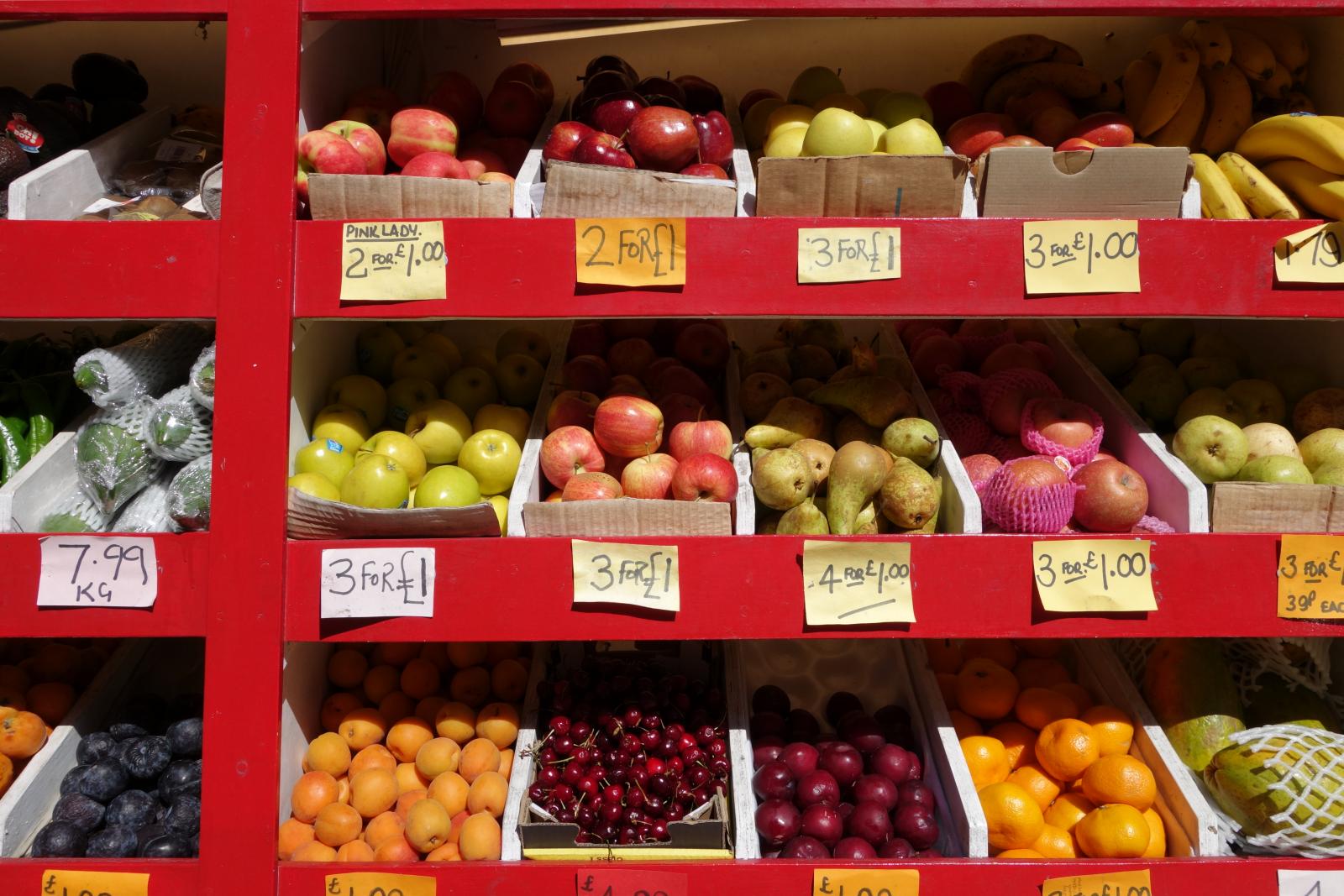
Shops usually stock a wide range of foods and other goods, not just fresh produce. Many volunteer-run food co-ops with shops have limited opening hours and so may either be open only on certain days, or sometimes every day but only for a few hours.
There are several wholefood shops that are run by workers' co-operatives. There are also many rural community shops that are run on a co-operative basis by local volunteers. Both types of shop tend to be run on a commercial basis (i.e. for-profit) and do not necessarily aim to supply food at affordable prices.
Advantages and disadvantages to consider
The main advantage of having a shop is that there is space to store and display produce, so shops can sell a wide range of different products which can help increase your customer base. Food co-ops with a shop can also keep items that have a long shelf life in stock without the worry of underselling and potentially wasting food.
The main disadvantage of shops is the higher running costs associated with having a permanent outlet, such as rent, electricity, rates, among others. There may also be a lack of suitable premises available (i.e. refrigerated space). It is also important to consider that more people may be needed to run the shop and keep it open for sufficient hours to supply customers' needs and cover costs.
Case Study - Fareshares Food Co-op
Fareshares is a non-profit making community project based in Elephant and Castle in London. It was set up in 1988 by local people to provide good food for the community at affordable prices. The store stocks simple, healthy foods and is open to anyone who wants to use it. It operates on a DIY basis where customers weigh out and price up the goods they want, taking home their food in their own bags. The food co-op is also run on an entirely voluntary, unpaid basis by the people who use it.
To find more useful food co-op related information visit our homepage



Food Co-ops toolkit: The Food Co-ops Toolkit will give you all the information you need to set up your own food co-op.

