

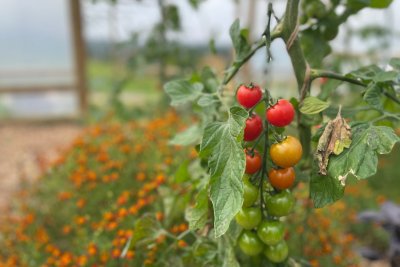
 Tomatoes on a peri-urban farm. Credit: Sarah Williams


The Organic Action Plan is a campaigning breakthrough. Now comes delivery.
Following years of campaigning by the Soil Association, Head of Policy Gareth Morgan talks us through how the Government’s newly published Organic Action Plan will be delivered.
It is 20 years since the last plan for the organic sector was published in England – I have an archive copy on my bookshelf – so this is an exciting moment and rightly welcomed by a wide range of food, farming and environmental bodies. It follows years of campaigning by the Soil Association working as part of the English Organic Forum, along with a wide range of allies including brilliant work by Sustain members through Bridging the Gap.
Why this plan matters
The Organic Action Plan for England (OAPE) puts to bed the dated accusation that "organic is just for a wealthy few" and is very much in the spirit of “Organic for All”.
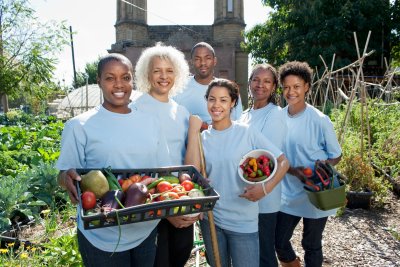
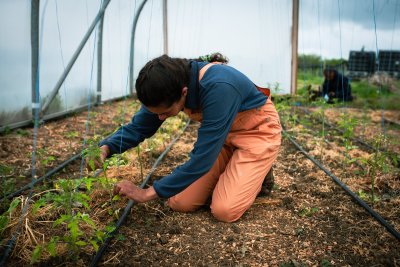
It is also clear, as demonstrated by initiatives such as Growing Communities based in Hackney, that organic can be a bedrock of work to promote healthy and sustainable diets. Ministerial visits to see that work, as well as to Riverford’s Sacrewell Farm near Peterborough, have generated genuine political commitment to the OAPE and the significant potential of the organic sector to contribute to national nature recovery and animal welfare objectives.
The plan is also clear about the financial benefits organic growth can bring for farmers when supported to switch to organic production as well as regional economies. It recognises the particular environmental and nature benefits that arise due to organic farming avoiding inputs of synthetic pesticides and nitrogen, and from taking a whole system approach (avoiding the risks of intensifying inputs in the hope of sparing land elsewhere for nature).
How we made it happen
The plan is the result of much negotiation and represents a significant breakthrough with its underlining of the need for systemic transformation to achieve environmental, animal welfare and healthier diet objectives.
Central to making the case has been helping build the evidence base with the English Organic Forum and the Organic Research Centre. We particularly focussed on the wider economic benefits of organic sector growth, the potential for import substitution, and the farm business benefits from a managed demand-led and supply-led growth strategy. Securing a commitment to an OAPE in the Defra Farming Roadmap was key, reinforced by meetings with the Secretary of State at the ORFC and Groundswell.
How to deliver the plan
The OAPE sets out how government and the organic sector will work together to grow domestic organic production, broaden citizen’s access to organic food, and unlock the benefits that organic farming can deliver, including environmental and economic.
Delivery of this action plan will be assessed against 5 outcomes:
- A year-on-year closing of the gap between imports and exports of organic goods, including an increase in domestic organic production
- Ambition to grow the organically managed land area in England year on year to 10% across the range of organic sectors (horticulture, arable crops, poultry, red meat and dairy).
- An assessment of the contribution of organic production and consumption to government’s Environment Improvement Plan’s ten goals, and the associated reductions in fertiliser and pesticide use that organic conversion delivers.
- A sustained increase in the share of organic food within public sector purchasing.
- Growth in the knowledge and understanding of organic production among farmers, growers, and consumers.
The plan is structured into three overarching themes:
- Increase and manage organic supply through targeted support for existing and new organic producers and processors
- Realign existing and emerging domestic supply and demand, and increase the proportion of sales met by domestic production
- Increase consumer awareness and stimulate demand from the public through using public procurement – something Sustain will be playing a full part in.
What's next
Having secured such a great breakthrough, work starts immediately on OAPE delivery, starting with using the plan to ensure the reinstatement of support for organic conversion and management, whilst the Sustianable Farming Incentives are closed until the spring. At the same time governance mechanisms will need to be put in place including coordination across the UK recognising the recent launch of the OAP for Scotland.
Securing a government ambition to grow the sector and recognition of the benefits this will bring is a major milestone for food, farming and environmental policy and is the result is the culmination of years of patient and effective work by many partners including the Sustain network. Now the work begins to make sure we realise all the potential benefits of the new Organic Action Plan for England

Sustainable Farming Campaign: Pushing for the integration of sustainable farming into local, regional and national government policies.


Sustain
The Green House
244-254 Cambridge Heath Road
London E2 9DA
020 3559 6777
sustain@sustainweb.org
Our mission is to catalyse systemic change in the UK’s food and farming system – securing a healthy, fair, and sustainable future for all people, nature and a stable climate.
© Sustain 2026
Registered charity (no. 1018643)
Data privacy & cookies
Icons by Icons8
