

 Florine and her son. Copyright: Florine Nikound
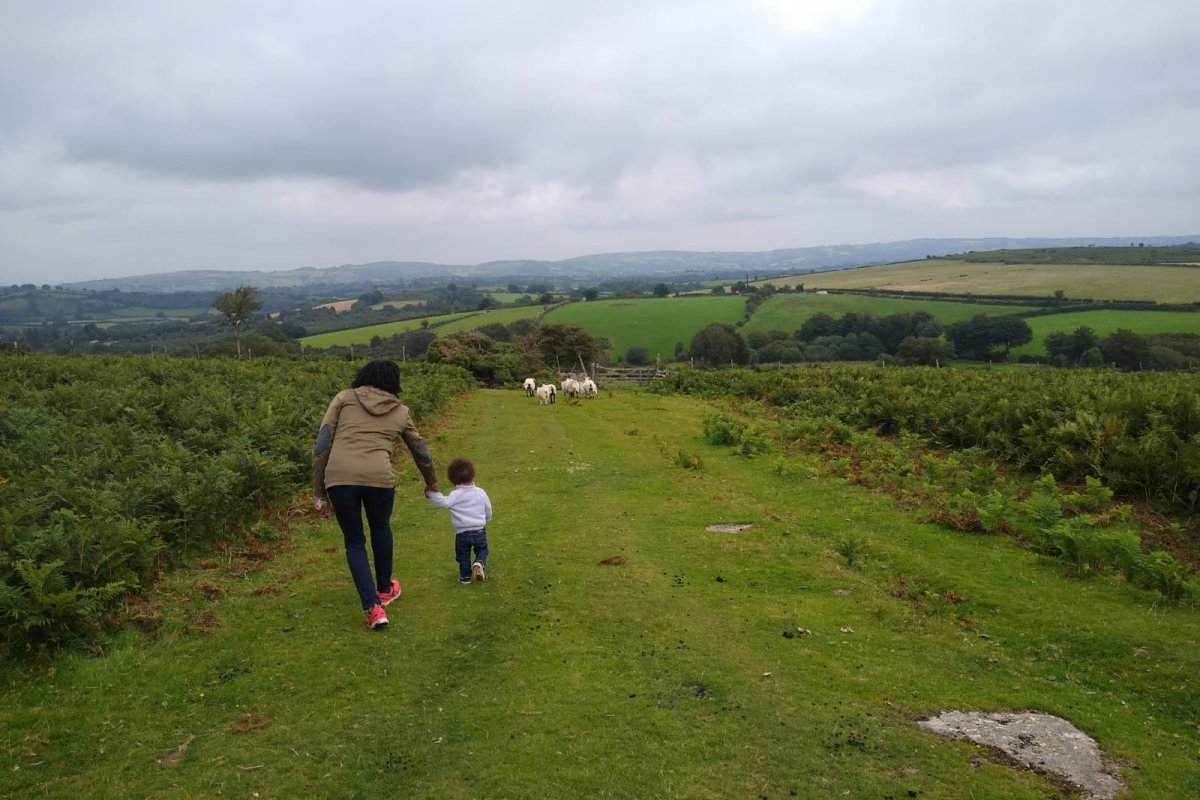

How one parent sparked a whole school food transformation
Parent ambassador Florine turned concerns about her son's school meals into a journey that's transforming food culture across her primary school. A story about the power parents hold, the challenges of navigating the system, and what's possible when schools, families and communities work together.
When we first visited our son's school ahead of his reception year, we were genuinely impressed. The headteacher spoke with confidence and real clarity about nearly every aspect of the school. So the conversation we had about food stood out. When we asked about school meal uptake, the response was vague and uncertain, a noticeable shift from the assured tone he had maintained throughout the rest of the visit.
When my son started Reception, we had to choose his meals each day. We were unimpressed by the menu, and he was unimpressed by the meals. To the school's credit, they were diligent in informing us whenever he hadn't eaten, which was most days. The news rarely came with a suggestion.
A couple of specific incidents stayed with me.
One was pizza day. We often make pizza at home as a fun family activity. We're lucky to have had a great child-friendly Neapolitan pizzeria nearby that has let both my children watch hours of pizza being made – some of the few moments of peace my partner and I have had since the kids were born. We make our own sourdough at home, and my son has strong opinions about it.
That day, he came home upset, angry, even, that the pizza wasn't "proper" and felt that he'd been tricked. The school later told us that a somewhat flustered chef had had to explain she had used a packet mix rather than making her own dough.
The second time, it was scrambled eggs which normally is one of his favourites. He came home outraged that they were grey. His verdict was blunt: the chefs should have their tall hats taken away.
At first, I wanted to believe this was just part of adjusting to a new environment. Perhaps our expectations were too high? As someone who came to the UK as an adult, I had done a poor job preparing my little boy for school food in England. My partner had already warned me it would be very different from nursery, where we'd had a genuinely good relationship around food, and both our children ate well.
Combined with my frustration at the lack of transparency around ingredients, I began to feel this wasn't just fussiness. There had been no precedent for this kind of reaction before.
The one question all parents should be asking
Talking to other parents confirmed it wasn't just us.
One mum put it in a brilliant way that has stayed with me:
"If my child started school reading, and six weeks later they were reading less, you'd have something to say, wouldn't you? So why is it different with food?"
That question changed everything.
I became increasingly aware that this wasn't just about my child. Other parents were noticing changes too – children eating less at home; our children were developing a taste for sugary breakfasts through breakfast club; and a quiet culture of birthday sweets started making its way home in school bags.
Deciding to act
I decided to pluck up the courage to do something.
My first conversations were with the class teacher and catering staff. They were kind, helpful, and clearly cared but they weren't in a position to influence the bigger picture. They felt like passengers in a system they didn't control.
We attended a school lunch tasting, but the catering staff didn't seem empowered to answer our questions, and the area manager we met couldn't provide clarity on ingredients. While all meals were described as "cooked on-site", this clearly included a significant amount of reheated ultra-processed food. That only deepened my concerns and left me feeling frustrated and powerless.
We resorted to packed lunches.
The conversation that triggered the big change
What made it hard was not knowing where to begin. Who was responsible? Who could actually make changes?
Encouraged by my partner, we decided to speak directly with the headteacher, a prospect that initially felt daunting.
The head was present at the school gate every day, and over time, through a series of informal conversations, we shared our concerns, our ideas, and most importantly, the suggestion of a school food policy.
To my surprise, he was open to it. Enthusiastic, in fact.
That moment challenged a long-held assumption of mine – that institutions are resistant to change. This one wasn't. It was simply a place full of people who needed the confidence to get started on something new.
A remarkable transformation
Change didn't happen overnight. But just over a year after that first conversation, the results have been remarkable.
The school now has a food policy in place. The catering provider has engaged directly with the school parliament, where articulate, thoughtful and impressively confident pupils shared what they wanted to see improved. We've gained support from the local public health team, who selected us to be part of a Nourish Schools programme, helping to develop a whole-school approach to food.
The breakfast club menu has been completely transformed, so much that visiting Nourish advisors described it as one of the best they had seen. They also praised the ambition of our food policy, calling it a "gold standard" piece of work.
Children are no longer allowed to bring sweets or any food on birthdays. There is now a far more coherent and consistent approach to food across the entire school day – from breakfast to lunch to after school care.
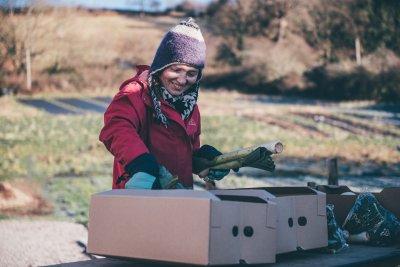
And perhaps most tangibly, we've started growing food in a garden on school grounds that had fallen into disuse during the pandemic. I've volunteered as a school food gardener and now organise a group of enthusiastic parents. In a very literal sense, we've taken getting good food into schools into our own hands.
What still needs to change
There is still more to do.
I would love to see food education more deeply integrated into the curriculum, especially alongside the growing initiative. Beyond the improvements they have already committed to, there is also a real opportunity for the catering provider to work more collaboratively with the school and to develop a menu that better reflects the diversity of our community.
At a broader level, I hope to see more structured support from the council in monitoring and improving school food quality and meal uptake. Parents shouldn't have to fight these battles alone.
What this taught me
On a personal level, this experience has been quietly transformative. It reminded me that even small actions matter and that we all hold some degree of agency to shape the systems around us if we're willing to use it.
It also taught me that school food is not a simple issue.
It's systemic, shaped by competing pressures and structural constraints that often extend well beyond any individual school's control.
Most importantly, I learned that meaningful change takes time and the right conditions. But when those conditions begin to align and when parents show up with persistence and purpose, change is not only possible, it can be profound.
Stories like Florine's are why we created our Fuel for Learning toolkit – to help parents start these conversations, find the support they need and know they're not the only ones asking.
Check out the Fuel for Learning toolkit
Florine Nikound is a parent of a 4 and 5 year old living in Hertfordshire. She is a parent ambassador for the Children’s Food Campaign which provides opportunities for parents to share experience and ideas and make their voices heard on issues affecting children’s health and food.

Children's Food Campaign: Campaigning for policy changes so that all children can easily eat sustainable and healthy food.

Sustain
The Green House
244-254 Cambridge Heath Road
London E2 9DA
020 3559 6777
sustain@sustainweb.org
Sustain advocates food and agriculture policies and practices that enhance the health and welfare of people and animals, improve the working and living environment, promote equity and enrich society and culture.
© Sustain 2026
Registered charity (no. 1018643)
Data privacy & cookies
Icons by Icons8
