

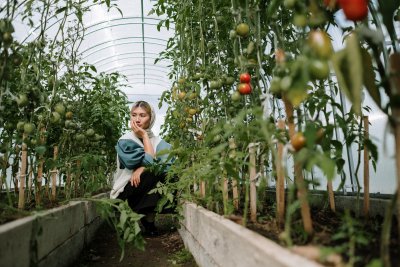
 A gardener with tomato plants. Credit: cottonbro | Pexels
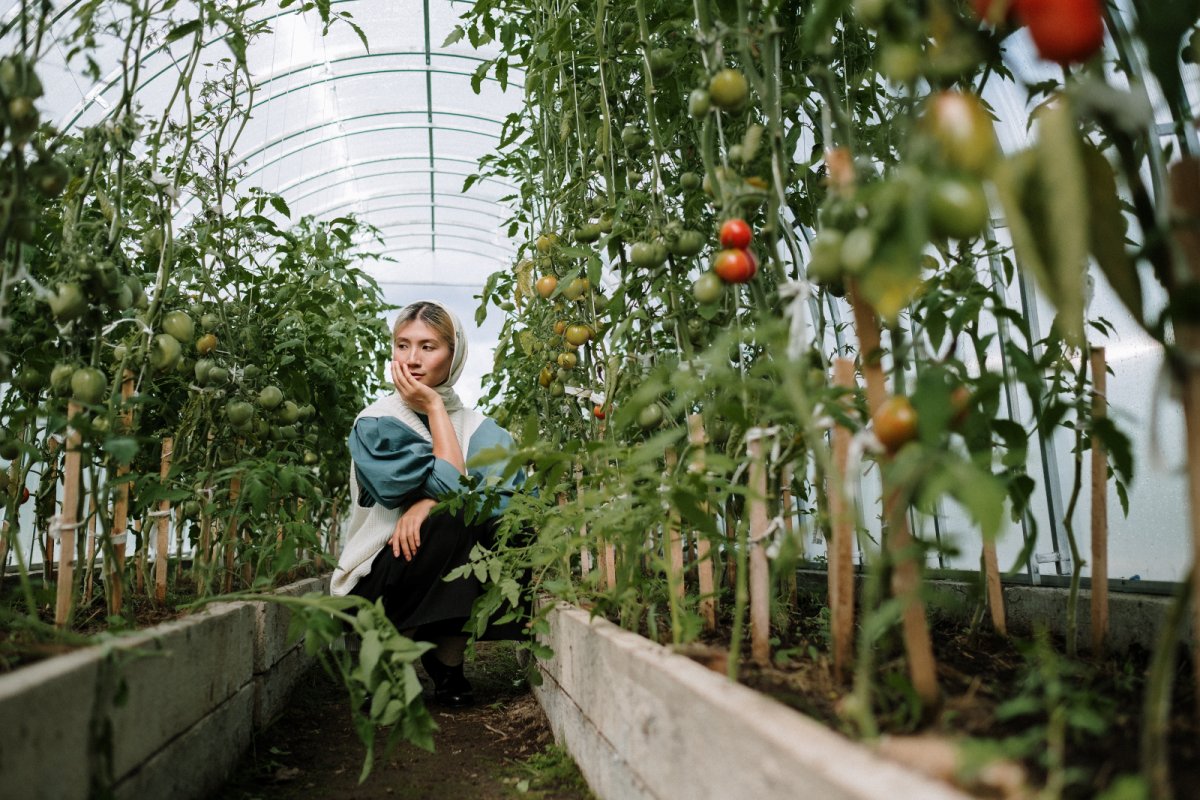

New budget confirmed for Sustainable Farming Incentives, but small-scale growers left out
Sustain welcomes the Government’s renewed commitment to Sustainable Farming Incentive (SFI) and clarity on funding, but important gaps remain which risk preventing the scheme delivering for farmers and the environment.
Sustain welcomes clearer funding for the Sustainable Farming Incentive, but warns that access barriers and individual actions could prevent the scheme from delivering maximum benefits to all farmers and the environment on which long-term food production depends.
The Government has confirmed the total budget for the new Sustainable Farming Incentive (SFI), with £240 million for new agreements in 2026 and a further £50 million for Countryside Stewardship Higher Tier.
Applications for small farms and farms without an existing Environmental Land Management (ELM) agreement are expected to open from 30 June 2026. A second application window for all farmers and land managers will open in September 2026.
However, while progress has been made, more action is needed to provide certainty for the sector and ensure the scheme is equitable for all farmers.
Clearer on budgets, but wider scheme remains unclear
The Government has now announced £60 million will be allocated to the first application window expected at the end of June. This gives greater transparency than we’ve seen previously, particularly after last year’s abrupt closure of the scheme.
While a dedicated first window for smaller farms is welcome, there is still limited visibility on what funding will be available later, and how many farmers will miss out as demand for the scheme is high.
Farmers also need certainty and transparency about how schemes will operate over time in order to plan their businesses effectively. The introduction of funding windows and caps may help manage budgets, but it is important that this does not create additional uncertainty or constrain long-term environmental ambition.
Smallest producers locked out
The Government has rightly highlighted the need to distribute funding more fairly across the sector. However, fairness must also be judged on who can access the scheme.
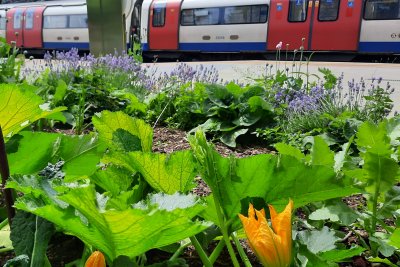
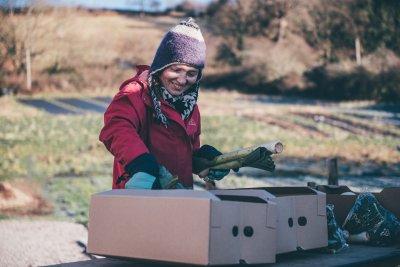
While the dedicated window for smaller farms is a positive step, some of the smallest agroecological producers may still be locked out altogether. The introduction of a minimum eligibility threshold of 3 hectares risks excluding many small-scale, peri-urban and horticultural enterprises, including market gardens that play a vital role in local food systems, healthy diets, and agroecological production.
At the same time, the Government has committed to growing the sector through the Horticulture Sector Growth Plan. Excluding many small-scale growers from one of the most widely used farming schemes risks undermining this ambition.
Sustain has consistently called for farming schemes to be equitable and accessible to all farm types and sizes – including small-scale and horticultural producers. As Sustain continues to advise Defra on the organic and agroecological strand of the Horticulture Sector Growth Plan, we will advocate for the removal of the 3 hectare limit.
Alys Bannister, Sustainable Farming Campaign Manager says:
“The Sustainable Farming Incentive is a key tool for supporting the transition to more resilient farming, but in its current form it omits many of our most sustainable producers.
The 3 hectare threshold excludes small-scale and horticultural growers, who are vital to delivering environmental outcomes and supporting resilient local food systems.
If these growers cannot access core schemes like SFI, it will be much harder to grow a diverse and resilient sector that delivers environmental benefits alongside food production.”
Delivering environmental ambition needs a whole-farm approach
SFI remains central to delivering the Government’s principle of “public money for public goods” and Sustain welcomes the focus on soil health, water quality and reducing reliance on synthetic inputs.
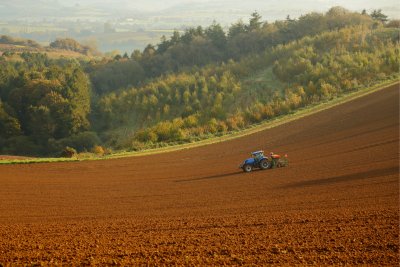
However, to maximise value for public money, SFI must be designed to create a whole-farm approach to land management, rather than the current scheme, which allows farmers to choose from a range of smaller, “pick-and-mix”, actions. This kind of whole-farm approach is essential to restoring soils, protecting water, and reducing emissions, rather than delivering fragmented gains that fall short of delivering against our environmental targets.
Alongside this, clear objectives and measurable outcomes are needed to demonstrate how public investment is delivering improvements for climate, nature, and food production.
Without this, it will be difficult to halt environmental decline or achieve the improvements in climate, soils, and water needed to sustain farming in the long term.
A long-term vision for farming policy is still needed
This announcement is an important step towards greater stability in farm policy. However, the sector needs greater clarity on how SFI and wider ELM schemes will be positioned within the Government’s long-term vision for the farming sector.
Alongside this, the Food Strategy must be clear on how environmental action, sustainable food production and rural livelihoods are aligned.
Without this joined-up approach, it is difficult to balance competing priorities across land use, farming, and the environment. Sustain believes that resolving these tensions requires a clearer statutory commitment, which is why we’re co-leading the campaign for a Good Food Bill for England to provide the long-term framework needed to align farming, food, and environmental policy.

Sustainable Farming Campaign: Pushing for the integration of sustainable farming into local, regional and national government policies.

Sustain
The Green House
244-254 Cambridge Heath Road
London E2 9DA
020 3559 6777
sustain@sustainweb.org
Our mission is to catalyse systemic change in the UK’s food and farming system – securing a healthy, fair, and sustainable future for all people, nature and a stable climate.
© Sustain 2026
Registered charity (no. 1018643)
Data privacy & cookies
Icons by Icons8
