

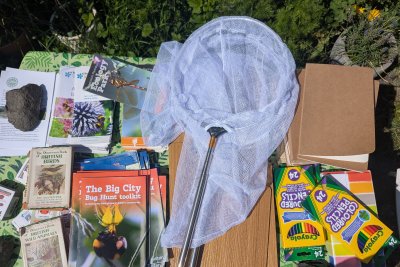
 Big City Bug Hunt table at Christchurch School Community Garden for Good to Grow 2026. Credit: Lula Wattam
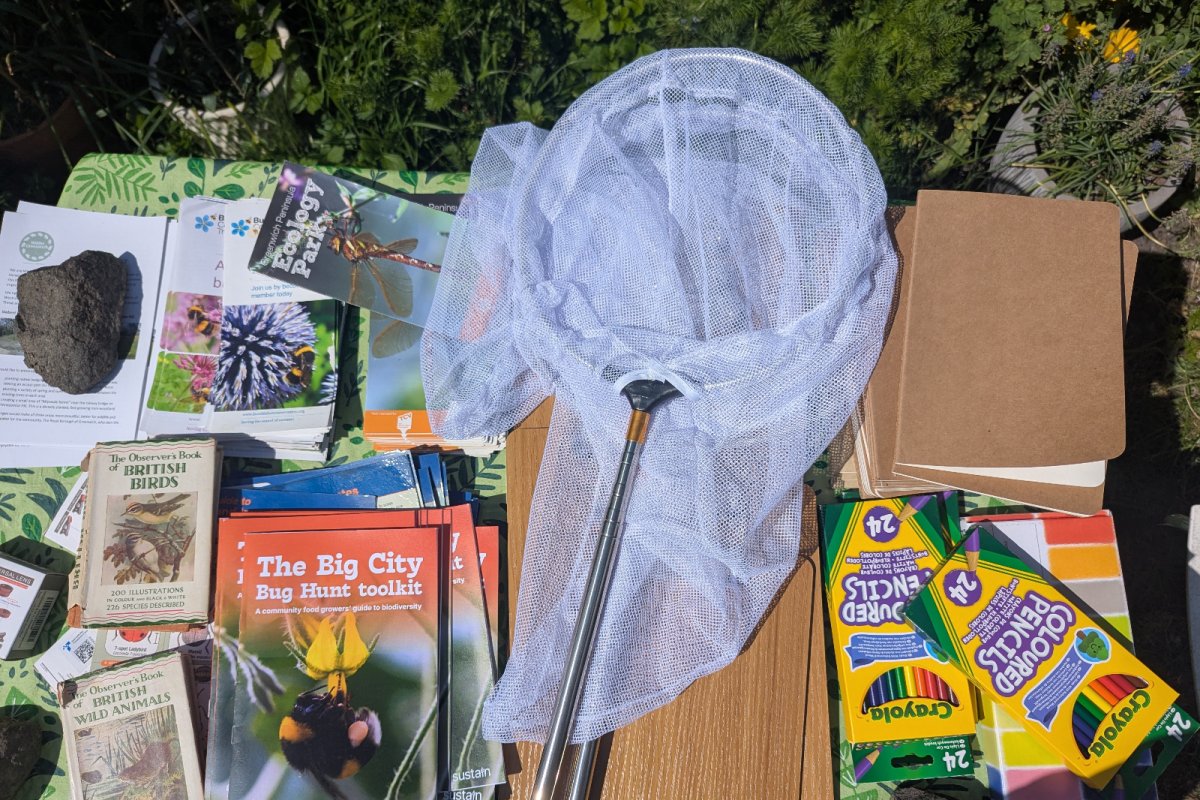

London's community food growers find biodiversity thriving in their veg plots
New Big City Bug Hunt report proves growing food and supporting nature go hand in hand and provides the blueprint for turning food growers into citizen scientists.
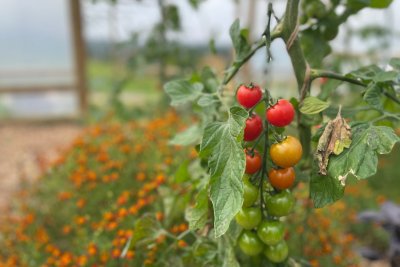
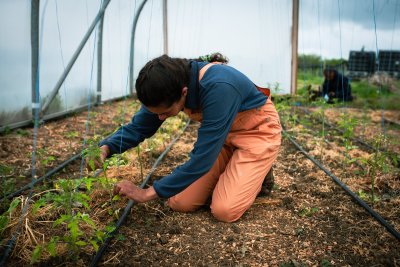
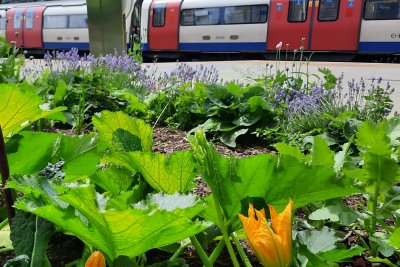
Community food growing spaces are doing far more than producing fresh fruit and vegetables. A new report from Capital Growth’s Big City Bug Hunt project shows that community gardens, farms, allotments and orchards are important habitats for wildlife and can make a valuable contribution to urban nature recovery.
Delivered in partnership with Greenspace Information for Greater London (GiGL) and iNaturalist, the Big City Bug Hunt was a citizen science programme tailored specifically to community food growers. The project helped them learn, discover, record and better understand the insects and other wildlife living alongside their crops.
The project mobilised more than 90 community food growing groups across London, which together recorded over 1,714 species across community farms, orchards and edible gardens in London, including 4 of London’s protected and priority species; the European Common Frog, European Toad, Large Skipper moth and the Figure of Eight moth.
The findings provide compelling evidence that food-growing spaces act as important ecological refuges in the city and support a rich diversity of pollinators and other species.
Beyond the ecological data, the project showed the power of citizen science to inspire action. Through training, resources, workshops and support from Critter Consultants, growers developed new identification skills, increased their awareness of biodiversity, and gained confidence in monitoring wildlife. Participants reported noticing more insects, learning more about the species found in their growing spaces and taking practical steps to create and protect habitats for nature.
The report recommends greater recognition of community food growing sites within biodiversity, planning and nature recovery strategies, alongside increased support for citizen science initiatives that connect people with local wildlife and generate valuable ecological data.
Importantly, the publication is more than a summary of findings. It provides a complete guide to the Big City Bug Hunt approach, including the methodology, lessons learned and the full suite of resources needed for organisations, networks and community groups to run their own bug hunts and biodiversity monitoring projects.

Sustain: Sustain The alliance for better food and farming advocates food and agriculture policies and practices that enhance the health and welfare of people and animals, improve the working and living environment, enrich society and culture and promote equity.
Sustain
The Green House
244-254 Cambridge Heath Road
London E2 9DA
020 3559 6777
sustain@sustainweb.org
Our mission is to catalyse systemic change in the UK’s food and farming system – securing a healthy, fair, and sustainable future for all people, nature and a stable climate.
© Sustain 2026
Registered charity (no. 1018643)
Data privacy & cookies
Icons by Icons8
