

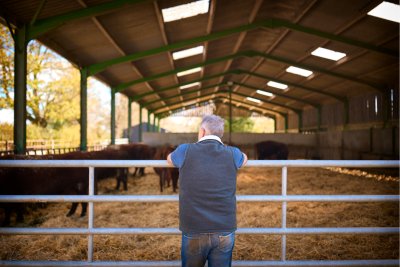
 A farm worker leans on a gate. Copyright: monkeybusinessimages | iStock
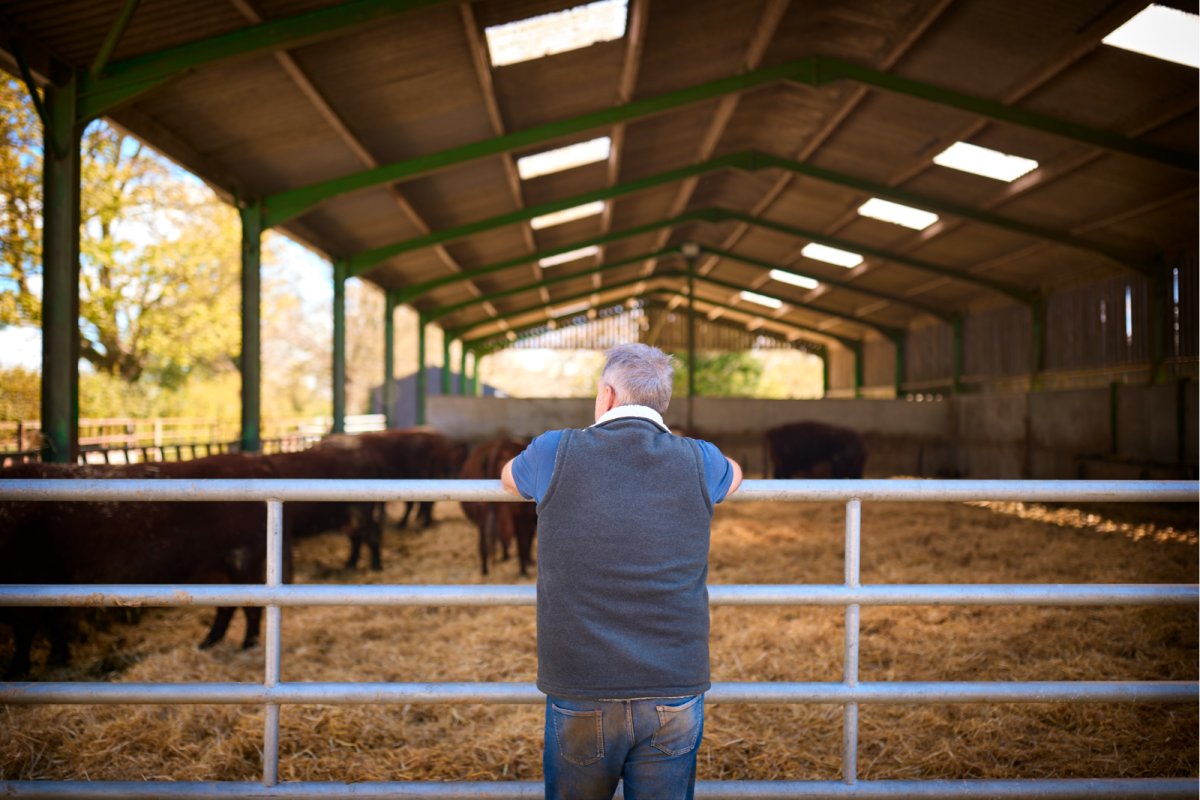

Farmers still fear speaking out about unfair trading practices, regulator finds
Food producers are still afraid of raising formal complaints about unfair treatment from buyers, despite new regulations designed to improve fairness in supply chains.
The Agricultural Supply Chain Adjudicator (ASCA) has published their Second Annual Report. It found that many farmers still do not fully understand the protections available to them and remain worried about the consequences of speaking out.
ASCA is responsible for enforcing Fair Dealing Regulations designed to improve transparency and fairness in contracts between farmers and their direct buyers.
Fair Dealing Regulations currently only cover the milk and pig sectors, meaning farmers and growers in other sectors do not have equivalent protections.
What did the report say?
The report covered 1 July 2025 to 30 June 2026 and found:
- Farmers know about the new rules, but many don't understand them. In a survey of more than 300 milk producers, 70% were aware of the Fair Dealing Regulations, but only 11% said they had a good understanding of them. Just 40% were aware of ASCA and only 20% said they had a good understanding of its role.
- Fear of speaking out about supply chain unfairness remains very high. Nearly 70% of producers said concerns about reputational damage would prevent them from making a complaint to ASCA, while more than 75% were concerned about the impact on future contracts.
- Only one formal complaint was made during the year, compared with 15 approaches through ASCA's in-confidence channel. Around 75% of milk producers surveyed were not aware that the confidential channel existed, with some also uncertain about whether it would protect them from commercial or reputational risks.
- ASCA is helping resolve some problems without formal complaints. Producers have received support that resulted in contracts being changed to comply with the rules, while the regulator says early, informal intervention is part of its approach to resolving problems before they escalate.
What does Sustain think?
Farmers need to understand their rights
Fair Dealing Regulations can only protect farmers and growers if they understand their rights or know where to go when things go wrong. The report shows a big gap between awareness and understanding.
ASCA needs to close this gap and make sure farmers understand both the protections they have and how to raise concerns safely. It is positive that ASCA has recognised this in the report and notes improving awareness and understanding will be a priority in the coming year.
Farmers need to feel safe speaking out
Farmers should not have to put their livelihoods at risk to challenge unfair treatment. Anyone can raise an issue with ASCA in confidence. However, the report shows that fear of reputational damage, losing future contracts, and having few alternative buyers can stop farmers using the protections available to them is still a significant barrier for farmers to raise a complaint.
There are positive signs that ASCA can make a difference, as the in-confidence work has helped secure changes to contracts and improve supply-chain behaviour without farmers necessarily having to make a formal complaint.
The Government needs to strengthen the system so it doesn’t rely on individual farmers taking the commercial risk of speaking out. The Government must ensure ASCA has the powers and resources to proactively identify and investigate unfair practices, including where patterns of behaviour point to wider problems in the supply chain.
Fair dealing protections still don't cover all farmers
The report also highlights how limited the current coverage remains. Fair Dealing Regulations currently protect the milk and pig sectors, meaning significant parts of the sector are left without coverage.
Farmers and growers should not have differing levels of protection against unfair trading practices purely based on what they produce. The Government should introduce Fair Dealing regulations across the remaining agricultural sectors, with a clear timetable for implementation.
Alys Bannister, Sustainable Farming Campaign Manager at Sustain, said:
“It’s disappointing that farmers covered by the new regulations are still scared to speak out. If farmers fear that challenging unfair treatment could cost them a contract, this undermines the protections the regulations are meant to provide.
“It’s also frustrating that huge parts of farming still aren’t covered by equivalent fair dealing rules. Government has been promising protections for sectors like horticulture and eggs for some time. We need to see much faster progress so farmers and growers aren’t left exposed to unfair treatment simply because of what they produce.”
Why does supply chain fairness matter?
Fair and transparent supply chains are critical not just to farm businesses, but also to the transition towards more agroecological farming. Farmers cannot invest in long-term practices that improve soil health, water quality, biodiversity and climate resilience unless they have secure contracts, predictable incomes and confidence in their business’s future.
Vicki Hird, Strategic Lead on Agriculture at The Wildlife Trusts, said:
"Farmers need confidence that the rules designed to protect them will work in practice.
"A food system that delivers fair contracts and returns for producers is essential for nature-friendly, climate adapted farming. Without confidence in their business’s future, farmers simply cannot make the long-term changes we need for healthy soils, cleaner rivers, nature restoration and long-term food security."
Find out more: download Sustain's briefing on supply chain fairness.

Sustainable Farming Campaign: Pushing for the integration of sustainable farming into local, regional and national government policies.

Sustain
The Green House
244-254 Cambridge Heath Road
London E2 9DA
020 3559 6777
sustain@sustainweb.org
Our mission is to catalyse systemic change in the UK’s food and farming system – securing a healthy, fair, and sustainable future for all people, nature and a stable climate.
© Sustain 2026
Registered charity (no. 1018643)
Data privacy & cookies
Icons by Icons8
