

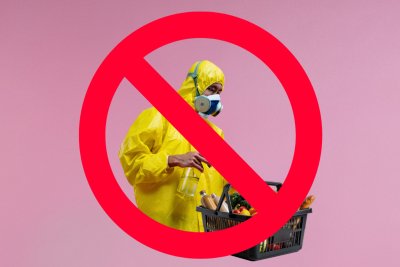
 Carcinogenic cornflakes or weedkiller sandwiches?. Credit: Canva / www.realbreadcampaign.org CC-BY-NC-SA-4.0
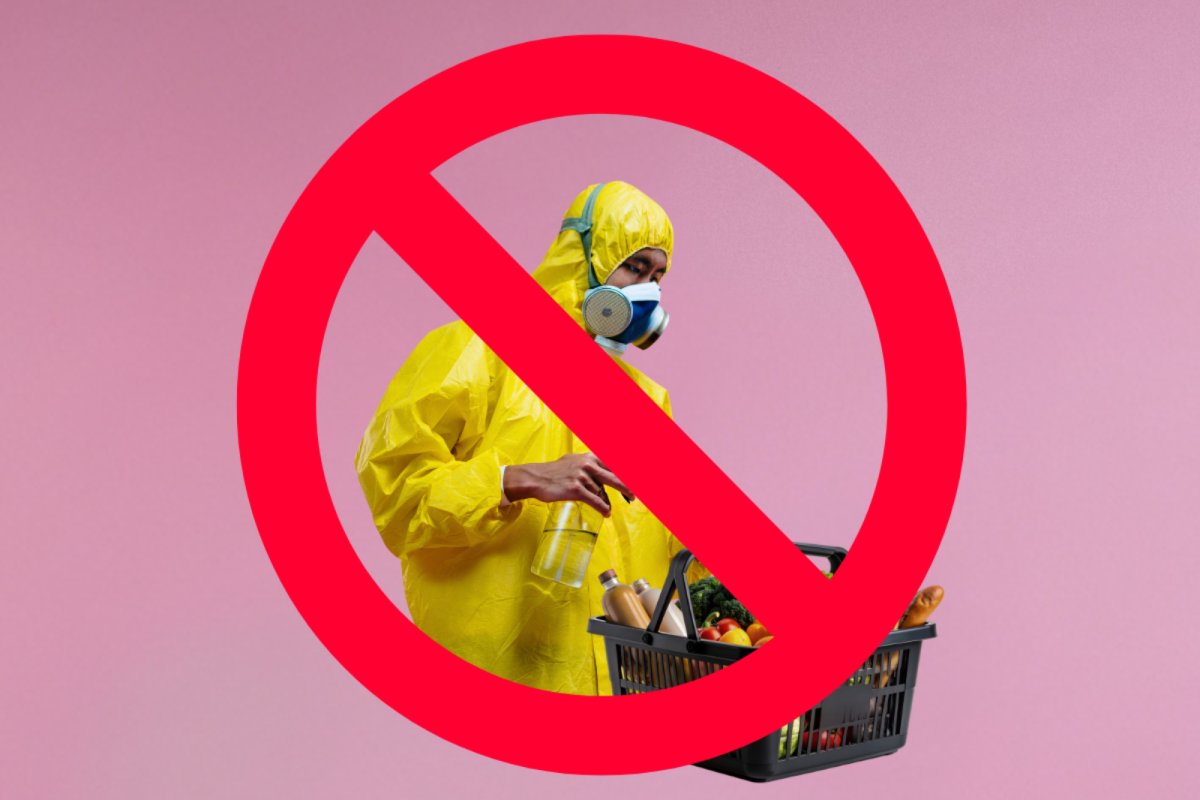

Real Bread Campaign joins call for glyphosate ban
Petition and open letter against weedkiller’s use to dry food crops.
The Real Bread Campaign has joined more than 25 signatories of an open letter calling for a ban on spraying crops with the weedkiller glyphosate shortly before harvest. The letter is accompanied by a petition that you can sign.
Glyphosate (better known by the trade name Roundup) is one of the world’s most used weedkillers, though not by certified organic farmers. It is also commonly applied directly to crops by ‘conventional’ and even some ‘regenerative’ farmers just days before harvest to dry grains, pulses and other seeds.
This typically leaves residues in the (not-certified-organic) food we eat, including breakfast cereals, chickpeas, lentils, beer, rapeseed oil, industrial dough products and even Real Bread. The many products of maize and soy mean that glyphosate is found across our shopping baskets and plates.
Regulation
The EU banned the use of glyphosate as a pre-harvest desiccant in 2023, but post-Brexit Britain does not offer us the same protection. The UK is currently negotiating a new deal with the EU, meaning the government has an ideal opportunity to follow suit.
The Health and Safety Executive (HSE) is reviewing an application to renew its approval for use in Great Britain, which is due to expire on 15 December 2026.
What you can do
The petition, by Sustain alliance member Soil Association, calls on the government to deliver:
- A ban on using glyphosate to dry crops before harvest
- Stronger protections on pesticide residues in food
- Support for farmers to transition to more nature-friendly farming practices
Real Bread Campaign co-ordinator Chris Young said: ‘How do you feel about the idea of eating weedkiller sandwiches? If you’re shocked by the knowledge that many foods you eat and feed your family contain residues of something the World Health Organisation classifies as a probable carcinogen, you might want to sign this petition.’
You can also:
- choose Real Bread, and other food, that’s certified organic.
- sign up to receive notification from HSE of the public consultation on the glyphosate approval application.
Little appetite for ‘cancerous’ cornflakes
In 2015, the World Health Organisation’s International Agency for Research on Cancer (IARC), concluded that the glyphosate was ‘probably carcinogenic to humans.’
In March 2026, the Seattle Glyphosate Symposium stated:
Glyphosate and glyphosate-based herbicides (GBHs) harm human health and can cause cancer. The comprehensive evidence supports this conclusion, with the strongest epidemiological evidence linking exposure to increased risk of non-Hodgkin lymphoma, a cancer of the lymphatic system.
There is additional evidence from human and/or animal studies that glyphosate and GBHs increase the risk of multiple adverse health effects in addition to cancer, including diseases of the kidney and liver, and impacts to the reproductive, endocrine, neurological, and other metabolic systems. Children, infants and fetuses are the most susceptible.
Further strong evidence finds that glyphosate and GBHs cause genetic damage, oxidative stress, and hormonal disruption — biological changes that can set disease in motion. Our understanding of glyphosate’s ability to cause these changes has developed from multiple lines of evidence in animal, human and in vitro studies.
According to research conducted for Riverford:
- 83% of people are concerned about potential long-term exposure to chemical residues in their food
- 70% of people are unlikely to eat a vegetable they knew had been sprayed with a chemical that experts have classified as 'probably carcinogenic'
- 67% of people would support a ban on glyphosate use in food production
Awash with glyphosate
In April 2026, Sustain alliance member PAN UK revealed that the amount of glyphosate applied to UK crops had skyrocketed from 200 metric tonnes per year in 1990 to more than 2,200 tonnes in 2024. As an example, more than 66 tonnes of glyphosate were sprayed on British potatoes in 2024, up from 1.5 tonnes in 1990.
A 2022 study in France found glyphosate in the urine of 99% of subjects, while a 2024 paper from the USA reported glyphosate in the urine of 90% of farmers and 81% of non-farmers tested.
It’s not just agriculture. The organisation reported that, according to government statistics, local councils used roughly 60 tonnes of glyphosate-based products in 2020; and that the largest ever survey on pesticide use by councils revealed that they used at least 354 tonnes of pesticides in 2024, the vast majority of which contained glyphosate.
PAN UK policy officer Nick Mole said: ‘the UK’s glyphosate addiction has spiralled out of control. Our overuse of this toxic chemical is leading to a whole host of problems, yet we continue to spray it on the food we eat and places where our children play. We know that glyphosate has links to a range of cancers and other life-threatening diseases. And that it damages the environment, polluting our waters and harming wildlife.’
Supporting UK farmers
Riverford stressed: ‘This is not about blaming farmers. Many are working within a system where prices have been driven down to a level where herbicides such as glyphosate feel like the only commercially viable option. But that dependence is part of the problem – locking farming into synthetic chemical use while damaging soil, water and biodiversity.’
Soil Association campaigns co-ordinator Cathy Cliff said: ‘Many farmers are already reducing their use of harmful pesticides, and the government must work harder to support their efforts. Our government must do the right thing and remove glyphosate from our foods, while supporting farmers to find alternatives that protect nature and public health.’
In the USA
On 5 May 2026, The BMJ reported that US Supreme Court ‘Justices heard arguments on 27 April over whether federal law can shield the US agrochemical company Monsanto from being sued at the state level for failing to warn about the alleged risks of its pesticide.’
According to The BMJ: ‘Glyphosate has become one of the largest sources of product liability litigation in US history. Monsanto’s parent company, the German pharmaceutical giant Bayer, has faced more than 100 000 lawsuits in US courts over glyphosate and has paid more than $11bn (£8.1bn; €9.4bn) in settlements.’
See also
- Weed Killer Sandwiches? NOT On My Plate!
- What is pre-harvest desiccant use of glyphosate? (Soil Association blog)
- What a ban on pre-harvest glyphosate could mean for farmers (Nature Friendly Farming Network)
- Pret sued for ‘deceptive’ natural foods claim
Updates
9 June 2026: Emma Hardy, the Parliamentary Under Secretary of State at Defra, replied to the letter sent by The Soil Association to Emma Reynolds, the Secretary of State. Download the reply.

Real Bread Campaign: Finding and sharing ways to make bread better for us, our communities and planet.
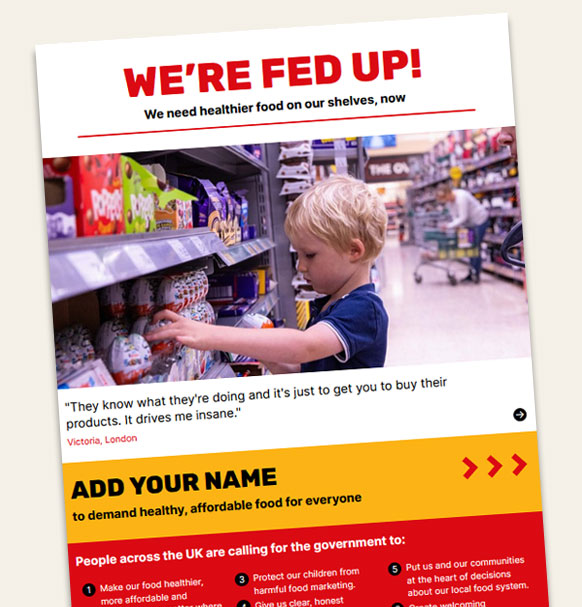




Sustain
The Green House
244-254 Cambridge Heath Road
London E2 9DA
020 3559 6777
sustain@sustainweb.org
Our mission is to catalyse systemic change in the UK’s food and farming system – securing a healthy, fair, and sustainable future for all people, nature and a stable climate.
© Sustain 2026
Registered charity (no. 1018643)
Data privacy & cookies
Icons by Icons8
