

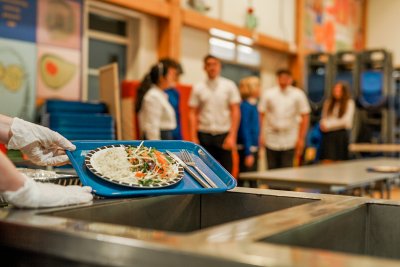
 Credit: © 2023. Provided by Impact on Urban Health licensed via a?CC BY-NC-ND 4.0 license


Better school meals need more than better standards
A government pilot on new school food standards reveals the potential to improve the nutritional quality of school meals and engage with pupils, whilst also highlighting the need for additional support, time and resources to help schools and caterers put changes into practice.
Findings from a Department for Education (DfE) feasibility pilot on the proposed updates to England’s School Food Standards across 11 schools including primary, middle and secondary settings, have revealed the importance of schools having good leadership and whole school food policies to support the changes. Schools redesigned their menus in line with the proposed standards, with researchers assessing nutritional improvements, pupil acceptance, costs and practical challenges.
Children's Food Campaign Officer, Naema Jannath responds:
“This pilot shows that healthier school meals are possible, but schools cannot be expected to deliver higher standards without the right support. We need to see proper investment in school kitchens, catering staff and food education, alongside meaningful involvement from parents and pupils. Improving school food is about more than changing what goes on the menu – it’s about creating a food system where every child can access a nutritious, appealing meal, every day.”
Nutritional analysis found reductions in sugar, total fat and saturated fat across participating schools’ menus. Sodium levels also fell in most menus, while fibre content in grab-and-go options doubled. These findings demonstrate the potential for updated standards to make a meaningful contribution to children’s diets. However, it also raised concerns about ensuring meals and portion sizes deliver the sufficient levels of energy and nutrition - and support for catering teams and schools in getting menus and meals working effectively is still needed.
Making healthier meals appealing to children
The pilot highlighted the importance of involving pupils in menu development, introducing unfamiliar foods gradually and investing in food education.
Fruit was generally well received as a dessert, showing that healthier alternatives can be popular with children. However, some changes, including reducing cheese and removing fruit juices, proved less popular, particularly among secondary school pupils.
School meal uptake was another challenge. More than half of participating schools recorded either an increase or no change in uptake, but some experienced a decline as pupils opted for packed lunches or bought food elsewhere. Schools with whole school food policies performed much better in maintaining and increasing uptake than those without. This highlights the importance of wider school food culture, as well as attention to maintaining the appeal of menus for children.
Listening to parents and families
The pilot highlighted the importance of involving parents and pupils in shaping school meals, rather than simply informing them about changes once they have been made. Schools that took a whole-school approach to food education and introduced new options gradually generally experienced better acceptance.
Parent Ambassador Gemma McFarlane says:
"As parents, we want to know that when our children sit down for a school meal, they’re getting food that is nutritious, filling and enjoyable. It’s encouraging to see that updated standards could help improve the food children are eating, but it’s important that parents and children are part of these conversations. We know our children’s needs, and what works for one child might not work for another. Schools need the right support to make sure healthier meals are something every child can enjoy"
The report also notes that some schools received complaints from parents and pupils about the updated standards during the pilots, again highlighting the need for proactive engagement with families and pupils, to understand their concerns and recognise that children have different needs and relationships with food.
For some children, particularly those with special educational needs and disabilities (SEND), sensory needs or food-related anxiety, familiar foods such as cheese can be especially important. Working with parents and carers can help schools understand these needs and make appropriate adjustments.
The potential financial impact of families withdrawing from school meals was another concern, should children switch to packed lunches or to buying food elsewhere, with a risk they end up eating less nutritious meals, while also placing additional financial pressure on families, particularly those eligible for free school meals.
Supporting schools and caterers
The pilot identified practical challenges, including increased ingredient costs, staff training, food preparation and menu development. Limited kitchen and dining facilities, alongside difficulties sourcing suitable ingredients, also made implementation harder.
Catering providers highlighted the need for sufficient resources and preparation time, with most suggesting around 12 months would be needed to implement changes effectively. With the consultation outcome published in September 2026, schools and caterers now have until September 2027 to make changes.
Following the pilot, the government refined proposals to improve feasibility and pupil acceptance. Changes included reducing the proposed requirement for wholegrain pasta and rice to at least 50%, alongside adjustments to requirements around dairy products and grab-and-go meals.
Building a healthier school food system
The findings demonstrate the important role school food standards can play in improving children’s diets and creating healthier food environments. However, setting higher nutritional expectations is only part of the picture.
Schools and caterers need sufficient funding, facilities, skills and time to deliver changes successfully. Pupils and families must also have a voice in shaping food provision, helping to ensure healthier meals are appealing, accessible and affordable.
The pilot provides encouraging evidence that improvements to school food are achievable. The challenge now is to ensure the right support is in place so that every child can benefit from nutritious, appealing school meals.

Children's Food Campaign: Campaigning for policy changes so that all children can easily eat sustainable and healthy food.



Sustain
The Green House
244-254 Cambridge Heath Road
London E2 9DA
020 3559 6777
sustain@sustainweb.org
Our mission is to catalyse systemic change in the UK’s food and farming system – securing a healthy, fair, and sustainable future for all people, nature and a stable climate.
© Sustain 2026
Registered charity (no. 1018643)
Data privacy & cookies
Icons by Icons8
