

 . Copyright: Istock
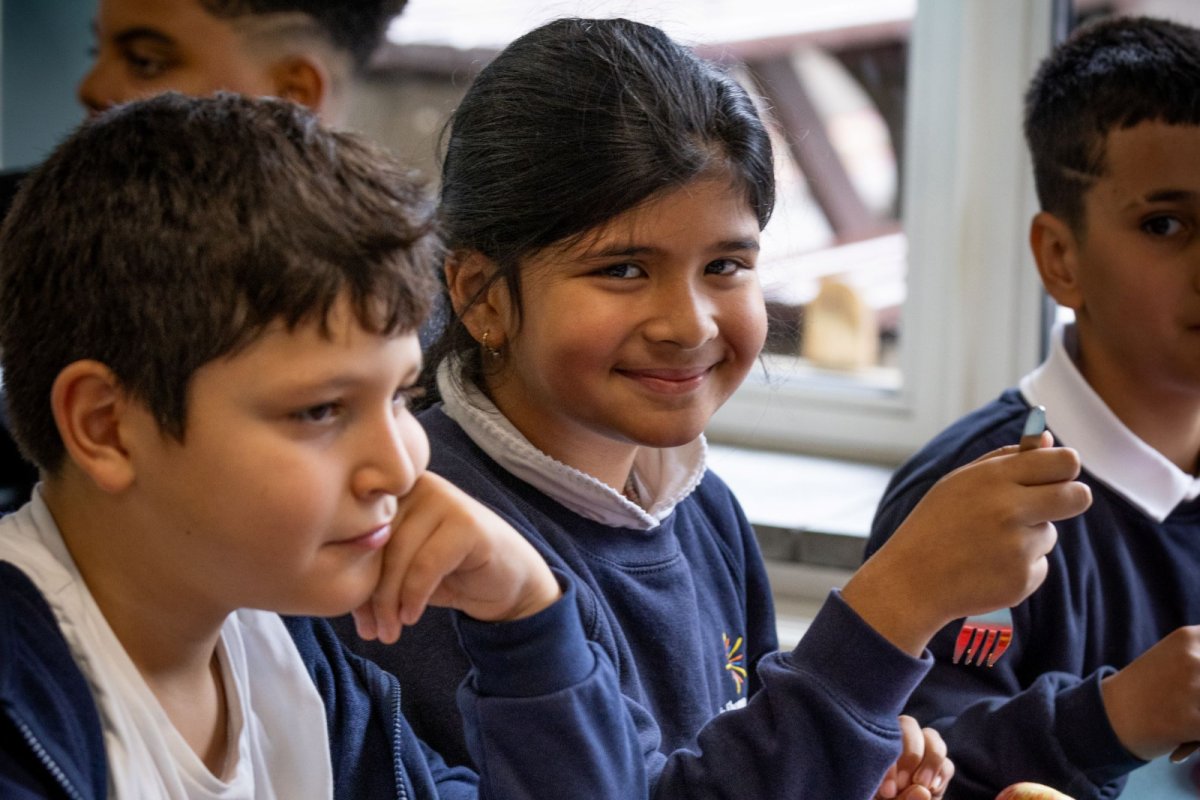

More organic in schools can help local farmers, and build UK resilience, finds new report
Latest report from Sustain's Bridging the Gap programme shows how school meal programs that invest in organic can support regional supply chains, keep profits circulating locally and reduce climate impacts of food production.
War and extreme weather is threatening the UK’s food supply, but public sector food is one of the biggest commercial levers available to government that can help build local economic resilience, as well as bring in significant health, wellbeing and environmental benefits, according to the latest Bridging the Gap report from Sustain.
The report demonstrates how integrating more organic fruit and veg into school meals could drive a substantial market for UK growers. Supporting small and medium-sized suppliers to access £5 billion per year worth of public sector contracts would keep profits in local communities and boost economic resilience.
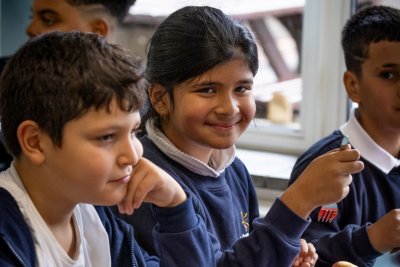
The research shines a light on three school pilots located in Scotland, England and Wales and argues that these regional pilots can be replicated and scaled up for the rest of the UK. Involving nature-friendly farmers, local businesses and public school caterers, the school pilots demonstrated that increased public investment not only supported local farmers but also led to over 75,000 children, a third of whom living in low- income communities, eating organic fruit and veg in their school meals.
This new report follows on from the first Bridging the Gap findings published by Sustain in December, which showed benefits for local communities when boosting access and availability of organic fruit and veg in retail settings, such as farmers’ markets and local shops. The report found that for every £1 public investment, matched with £1.10 from shoppers, a whopping £8.78 was delivered in returns for local areas.
This latest study focusses on just the three school pilots and shows that the return on investment jumps to almost £10. The report found getting more organic fruit and veg from local farmers onto school plates generated £9.46 for local economies, health and environment with every £1 of added investment. Greater community engagement generated through farm visits and shorter supply chains helped boost these projected returns.
In Wales, the Welsh Veg in Schools pilot rebuilt a local supply base by connecting small organic growers with school catering contracts. Half of the 24 local authorities in Wales joined the initiative, whilst support and investment from suppliers such as Castell Howell ensured growers could access large catering contracts and remained part of the supply chain in the long term.
In Aberdeen, Scotland, the Give Peas a Chance! project introduced locally grown organic split peas into school meals. Thanks to investment in supply chain facilitator Soil Association Scotland, stakeholders across this new supply chain convened to troubleshoot blockers and maximise the opportunity. New recipes such as chocolate pea muffins and a mince–pea blend proved popular with children and reduced emissions by 42%, encouraging nearby Moray Council to also take up the scheme.
In London, two primary schools partnered with Growing Communities to source organic produce from local farmers in South East England. The pilot offered the schools the opportunity to swap their non-organic imported veg with local supplies and introduced the children to seasonal vegetable dishes using taste-testing and food education.
At a time of the UK’s increased vulnerability to shocks in global supply chains brought on by climate change and war, as well as its high dependency on imported fruit and veg, the UK is at even greater risk of food shortages and increased food prices. A government report published last month also warned degradation of habitats and ecological collapse pose a threat to national security and public health, unless we change the way we produce food.
The Bridging the Gap report lays out how these pilots can be scaled up to meet these challenges. With public procurement contracts worth £5 billion a year, the report argues this money should be invested in British agroecological farmers, which would also help fulfil the government’s commitment to 50% local or sustainable food served in public settings such as schools, hospitals and prisons.
Sustain's Kiloran O’Leary, author of the Bridging the Gap report, says:
“Food system reliance on imports puts the UK in an extremely vulnerable position and threatens our long-term resilience as a nation. We need to support our own local agroecological farmers instead, and what better way than getting more UK-grown organic fruit and veg into schools so our children can benefit too? Our pilots show that investment in supply chains that connect organic farmers to schools can deliver huge dividends for local communities. Now it’s time for the government to scale them up for the whole of the UK.”
Dr Amber Wheeler, Research Lead, Welsh Veg in Schools, says:
“At the moment, most of the veg served in Welsh schools comes from outside the country and is often frozen. This pilot is showing that it is possible to increase the amount of produce grown in Wales by using the market opportunity of our universal free school meal provision. There is a growing sense of urgency to ensure Wales can sustainably produce the ingredients needed for a healthy diet given a changing climate, global political instability, and increasing numbers of households unable to meet the costs of a healthy diet. Welsh Veg in Schools is helping to do this by building resilience and creating an alternative procurement system that supports our local growers; tackles climate change; increases biodiversity; strengthens our local food systems, as well as improving children's access to locally grown food."
Sarah Gowanlock, Partnerships Manager, Soil Association Scotland, says:
“Bridging the Gap has been a fantastic programme to be involved with. Soil Association Scotland was delighted to have the opportunity to work with Phil Swire, local SME organic farmer, to bring his peas from the field to school meal plates in Aberdeen City by using the power of public procurement. Peas are often overlooked, but it is something we can grow really well in certain parts of Scotland and it was amazing to be able to shine a light on this product and build a supply chain to make it possible to add to the school menu. We hope this inspires other farmers and councils to explore how they can bring in more local and organic supply through their procurement.”
Sustain is calling on government to meet their commitment to get local and sustainable food in the public sector by supporting small and medium sized growers and investing in local food infrastructure.
Read the full report Bridging the Gap: How to make school food work for children, farmers and planet

Bridging the Gap: Demonstrating ways to make organic food more accessible via farmer-focused supply chains.


Sustain
The Green House
244-254 Cambridge Heath Road
London E2 9DA
020 3559 6777
sustain@sustainweb.org
Sustain advocates food and agriculture policies and practices that enhance the health and welfare of people and animals, improve the working and living environment, promote equity and enrich society and culture.
© Sustain 2026
Registered charity (no. 1018643)
Data privacy & cookies
Icons by Icons8
