


The latest Good Food Local: the London report shows that children’s health is being prioritised across London. A million free meals were served to children in state-funded primary schools this year, thanks to the Mayor of London’s free school meals scheme.
Children beyond primary school age are also benefitting, with more boroughs implementing an automatic enrolment for free school meals to reduce barriers to access, and some funding additional meals in secondary schools, as well as supporting more nutritious food in nurseries and early years settings.
Local high streets have fewer unhealthy food adverts, with ten boroughs now adopting a robust food advertising policy - a successful public health intervention first introduced on Transport of London and proven to significantly reduce food-related diseases.
And a third of councils reported making progress on strengthening local supply chains to build more resilience into London’s food system, with partnership work underway to prepare for emergencies that may impact food supply.
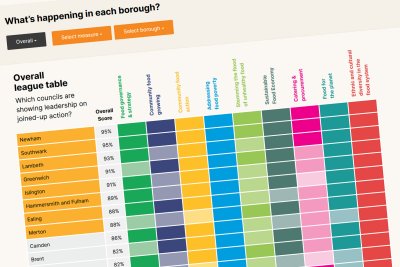
This year, 31 of the 33 London councils completed the Good Food Local survey, helping to understand how individual boroughs as well as strategic partnerships across the capital are shaping Londoners’ food environments. The survey paints a picture of the capital’s policy work and how councils are working to improve food access and health, local economy and community cohesion.
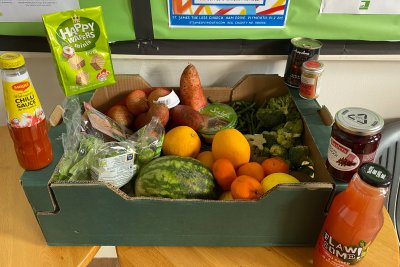
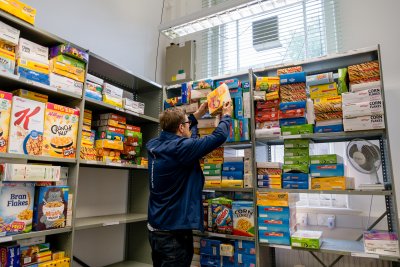
To meet ongoing challenges such as cost of living and increased food and energy bills, councils have been able to track progress as well as learn from other local authorities on what policies do and don’t work. For 2025-2026, the survey counts 20 boroughs to have reported significant advances in their work to address the underlying causes of food insecurity. Activity included developing food poverty action plans and partnership work to strategically address place-based issues, and strengthening cash-first approaches, including crisis payments and advice and support services to put more money into the pockets of communities.
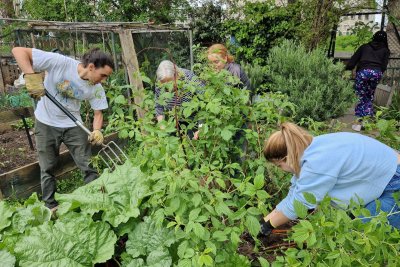
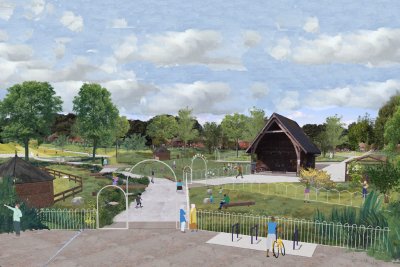
The impact of the food industry on the climate and nature emergency remains a pressing concern for London councils. This year the report highlights the 18 councils that have stepped up to the challenge to cut food-related carbon emissions and reduce food waste, with over half of London boroughs now procuring and providing more sustainable food in public services. Nine councils have committed funding for a council officer whose main remit is food growing, and Southwark and Hackney councils have both passed a Right to Grow motion, making it easier for residents to access land to grow their own food. This offers multiple benefits across physical and mental health, biodiversity, connecting communities and food resilience.
However, for older and Disabled residents, and support for those without access to public funds, the picture is more mixed. Fewer councils than last year are taking action to ensure these communities, who are at risk of food insecurity, can access the food they need. Funding cuts and a challenging political climate may be contributing to this.
Additionally, several boroughs have lost their food partnership coordinator due to funding constraints. We know this work is central to joined-up and impactful action across food system issues, linking the council to community organizations, businesses, academics, healthcare providers and communities, who all have a role to play in addressing local food issues. This risks London losing momentum, trusted relationships and progress made on food work. However, several councils with limited resources are still taking impactful actions in certain areas of food work. Take a look at our interactive maps to see what these are.
Kath Dalmeny, Chief Executive at Sustain says:
"It is inspiring to see how much work councils have achieved to improve their local food systems for the benefit of their communities. Food brings people together, but unequal access to good, nutritious food also divides us. Connecting the dots and taking a strategic approach to improving the lives of Londoners through better food policy means councils are driving real change on the ground, and building greener, healthier and more equitable places, now and into the future. It is what Good Food Local is here to celebrate, and it is great to see another impactful year of work.
This is a pivotal time for food system change. At long last, the inspiring work of local authorities to improve local food systems is being recognised on the national stage, through inclusion in the Government’s food strategy; encouragement in the £3bn national Crisis and Resilience Fund; and the tantalisingly exciting prospect of permanent change, through the new campaign for a Good Food Bill – food system legislation, duties and powers to bring it all together and drive positive change in the longer term"
What is Good Food Local?
Good Food Local gives councils a clear, evidence-based framework to assess where they are on food - across health, climate, economic development, planning and more. It turns a complex, fragmented picture into a coherent view with practical recommendations to guide next steps.
76% of London councils responding to an independent evaluation survey said they use the annual report to guide strategies and improve practices, while 84% reported finding it useful for prioritising actions.
Completing the Good Food Local assessment involves engagement from across multiple council departments. It is a structured way to open doors, build relationships, and create shared ownership of food priorities that Public Health cannot drive alone. Good Food Local also helps connect councils with others in the same region (and beyond) facing the same challenges. Councils have told us they value case studies and shared good practice from other boroughs with similar priorities, not just as inspiration, but as practical evidence of what has worked elsewhere and what steps were involved.
72% of councils told us that GFL encourages a joined-up approach to food, helping them adopt a more coherent vision and set common priorities across services and partners.
Good Food Local also helps to ‘make the case’ locally and encourages senior buy in, providing clear demonstration of progress, celebrating areas of good work, while highlighting gaps for improvement, including understanding where you are compared to other nearby councils.
Susan Hughes, Programme Lead Public Health from Hammersmith and Fulham Council said at last year's event:
"The benefits of taking part in Good Food Local from the Hammersmith and Fulham perspective is the fact that we use it as a guide to look at all the good practise that's going on across other London boroughs. And that has been an essential part of our creating a local food plan for Hammersmith and Fulham. It's been incredibly helpful to see how the priorities are listed and also to see lots of good examples from other boroughs, and to access many resources and tool kits, tried and tested pilots and also through the case studies."
Good Food Local: the London report
Tracking council action on food
Good Food Local are working with London, the North East and South West of England as well as other local authorities to drive forwards good policy and practice on food. Take a look at our national map to see what actions other parts of the country are taking on food.
Find out more about the Good Food Local support we can offer to regions, and our consultancy offer to individual local authorities.

Good Food Local: Supporting local authorities to create more healthy and sustainable food systems in their local areas.