

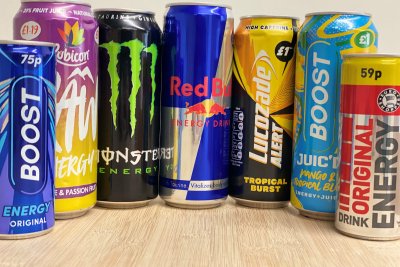
 Energy drinks. Credit: Barbara Crowther | Sustain
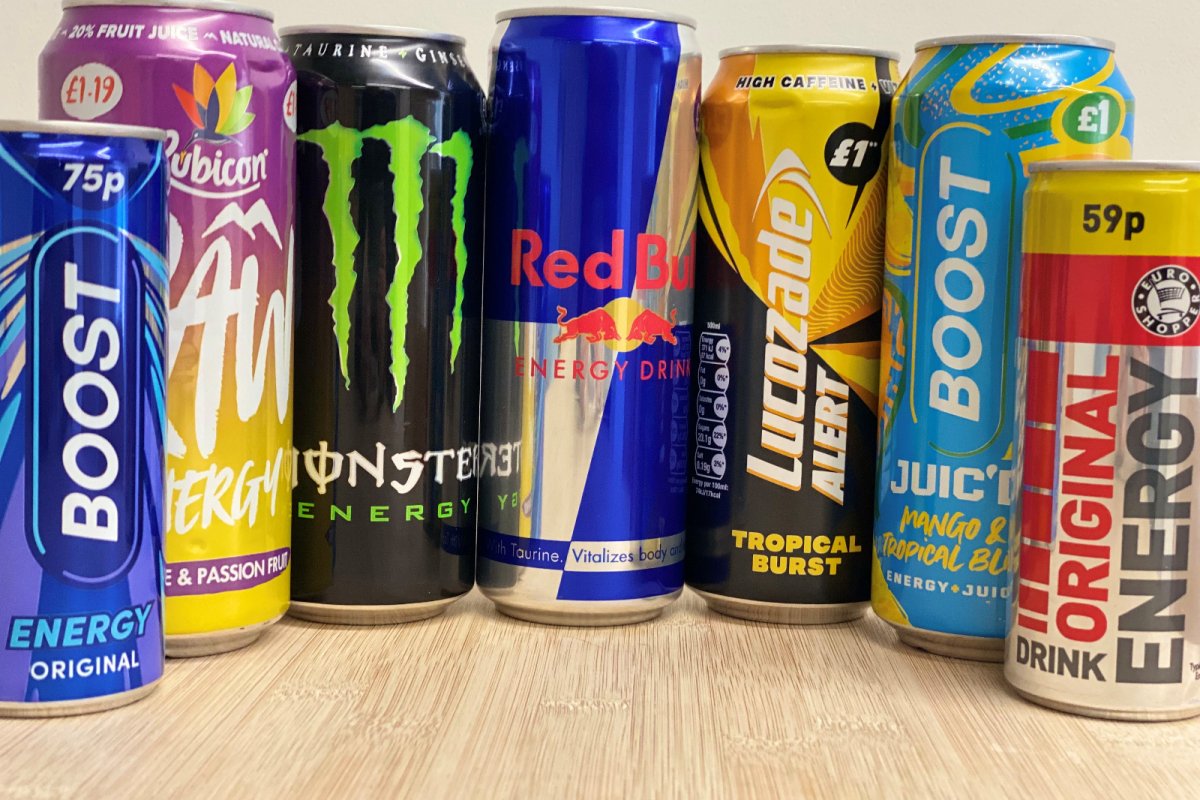

Energy drinks ban on sales to children confirmed for April 2027
The government has confirmed plans to ban sales of high caffeine energy drinks, to come into force by April 2027. Children’s food and health organisations respond.
Children's food and health organisations welcome the government's decision to ban sales of high caffeine energy drinks to under-16, and the publication of the response to the public consultation on this proposal. We have been collectively urging the government to end the delay and move forward, so are pleased that the government has now set a clear deadline of April 2027 for new laws coming into force.
Announcing the decision on 16 July, Public Health Minister Sharon Hodgson MP said:
"High-caffeine energy drinks have no place in children’s hands. We know thousands of kids in England consume them daily but the evidence is clear that this can cause anxiety, affect their sleep and concentration and can have a detrimental impact on their education.
"This ban will reduce children’s opportunity to buy drinks that are harmful to their health and wellbeing, and demonstrates our firm commitment to creating the healthiest generation of children ever.
The policy to restrict sales to under-16s marks another important milestone in protecting children from unhealthy and harmful products,, given the strong body of evidence on negative effects of high consumption of drinks for children's physical, mental and dental health.
Banning direct sales to children also has the overwhelming support of the public, including parents, teachers, young people, health professionals and retailers already operating their own voluntary restrictions on sales.
- Teachers rank excessive energy drink consumption among their top concerns for pupils, even above some illegal substances.
- Eight in ten parents support restricting sales to children.
- Retailers themselves have called for regulation to ensure a level playing field.
Barbara Crowther, Children's Food Campaign Manager for Sustain says:
“The decision to ban sales of high caffeine energy drinks to children is absolutely right, given strong evidence of their harmful effects on their physical, mental and dental health, and overwhelming public support including parents, young people, health professionals, teachers and food retailers.
“We look forward to seeing legislation laid before Parliament at the earliest opportunity, to meet the April 2027 deadline. It’s now two years since the Labour government pledged this action – almost 300 million more high caffeine energy drinks have been sold to children in that time. The decision is made, no more kicking the can down the road – let’s make this law now.”
Katharine Jenner, Executive Director of the Obesity Health Alliance says:
“This is a hugely popular policy, backed by parents, health professionals and the public, and a vital step towards protecting children’s health. Strong evidence links high-caffeine energy drinks to anxiety, poor sleep, reduced concentration and harm to learning and wellbeing - restricting sales to children at a vital time in their life is just common-sense.
“Children in more deprived communities are disproportionately affected. Extending the ban across shops, vending machines and online sales will create a fair, consistent system for retailers and families. After years of delay, the Government must now secure approval, support effective enforcement and ensure the ban starts promptly in April 2027.”
Eddie Crouch, Chair, British Dental Association says:
“Packed with sugar and highly acidic, dentists have seen the damage energy drinks do every day.”
“The result is children struggling to eat, to sleep and to learn. Taking them off the menu for under 16s is a victory for common sense."
Dr Amelia Lake, Professor of Public Health Nutrition & Deputy Director of Fuse (the Centre for Translational Research in Public Health) at Teesside University says:
"I welcome the publication of the consultation response and the confirmation that legislation restricting the sale of high-caffeine energy drinks to under-16s will be introduced.
"Many people assume that children are already unable to buy these products, but legislation is needed to create a fair and consistent approach across all retail settings, including shops, vending machines and online sales.
"This decision demonstrates the Government's commitment to prioritising the health and wellbeing of children and young people. The evidence is clear that energy drink consumption is associated with poorer physical and mental health outcomes, disrupted sleep and reduced concentration and poorer educational attainment, making this an important step forward for children's health."
Dr Kawther Hashem, Head of Research and Impact at Action on Salt & Sugar based at Queen Mary University of London says:
“We welcome the publication of the Government's response to the consultation and its commitment to ban the sale of high-caffeine energy drinks to under-16s, but what children need now is action, not more waiting.
"These drinks are packed with caffeine and sugar, a combination that can disrupt sleep, affect concentration and behaviour, and contribute to poor physical and mental health. Frequent consumption also increases the risk of tooth decay and excess weight,leading to health problems that can last well into adulthood.
"It is now essential that the Government moves swiftly to implement the legislation and ensures it is backed by strong enforcement. The rules must apply consistently across all retailers, including convenience stores, supermarkets and online sales, creating a level playing field for businesses while giving parents confidence that children are protected wherever they shop. This is an important public health measure which now needs to be delivered.”
Dr Robin Ireland, Honorary Research Fellow, School of Health and Wellbeing, University of Glasgow says:
“Energy drink companies are adept at using sport to target young people and persuade them to buy their sugary caffeinated concoctions. This legislation is much overdue therefore and should be welcomed. It is the responsibility of government to protect and promote the health of our future generations.”
Jacquie Bance de Vasquez, Director of Policy and Engagement at Magic Breakfast says:
“We welcome the Government's commitment to restrict energy drink sales to under-16s as an important step in protecting children and young people's health. Teenagers are more likely to skip breakfast for a range of reasons, and when young people start the day hungry, they can be more likely to turn to less healthy options. Schools have told us about pupils arriving with an energy drink for breakfast. Tackling access to unhealthy products is important, but so is making sure young people have access to healthy choices that support their health and wellbeing.”

Children's Food Campaign: Campaigning for policy changes so that all children can easily eat sustainable and healthy food.




Sustain
The Green House
244-254 Cambridge Heath Road
London E2 9DA
020 3559 6777
sustain@sustainweb.org
Sustain advocates food and agriculture policies and practices that enhance the health and welfare of people and animals, improve the working and living environment, promote equity and enrich society and culture.
© Sustain 2026
Registered charity (no. 1018643)
Data privacy & cookies
Icons by Icons8
