
MP briefing: The case for a Good Food Bill
Our current food system is failing households, farmers and the economy, with serious consequences for health, food security and resilience. The British public have endured two significant food price shocks in recent years due to Covid-19 and the Russian invasion of Ukraine, and the effects continue with an average shopping basket costing 33% more than 4 years ago, and food insecurity remaining high at 12% of households (The Food Foundation, 2026).


The impact of climate change on food production is also intensifying; water scarcity threatens major growing regions; there is a growing risk of cyber-threats across the food system and concentrated trade through a handful of chokepoints exposes the food system to geopolitical risk. With escalating conflict in the Middle East, a third shock feels almost certain.
New legislation is necessary to transform our food system, giving successive Governments clear goals to ensure the country is well-nourished in an increasingly uncertain world, while providing food businesses, investors, farmers, and growers with the confidence they need to operate in the most sustainable and beneficial way possible. A statutory framework for food is the foundation on which everything else depends. The time to fix our food system is now, not after the next crisis forces our hand.
Why a Good Food Bill?
Britain has had no shortage of strategies, reviews and commitments. What it has lacked is a statutory framework that can provide long-term stability. The legislation would support two core and complementary objectives:
- To secure a resilient domestic supply of nutritious food produced in ways that support environmental sustainability, so that farmers and growers, businesses, investors and consumers can all cope better with shocks.
- To reshape England’s food supply and food environment so that affordable, nutritious, and sustainably produced food becomes the default and most accessible choice for everyone.
Taken together, these objectives cover the full arc of the food system, from farm to fork and together would help prevent future cost-of-living crises driven by food price shocks, while supporting economic growth, public health and food security.
Why is legislation necessary to transform UK food policy?
- Regulatory certainty and investor signal – legislation can transform government intent into a credible long-term commitment, giving businesses, investors, farmers and growers the confidence to plan and allocate resources and investment over time.
- Set a direction for successive governments, forcing coordinated national action, clear obligations for local authorities, and commitments that attract sustained investment, as we have seen in the energy sector.
- Provide urgency, pace and a legislative framework, meaning progress can be made and impact seen. We have seen multiple voluntary initiatives in public health fail, but the most effective policy – the Soft Drinks Industry Levy – was statutory.
What should be in a Good Food Bill?
- Statutory targets to reduce childhood obesity, increase production and consumption of home-grown fruit and vegetables, and reduce food insecurity.
- A Reference Diet defining what affordable, nutritious and sustainable eating looks like to guide policy across government.
- Good Food Action Plans published every five years setting out how government will meet the targets.
- Ministerial Duties to consider the targets and reference diet when making decisions that affect food, including health, agriculture, planning and trade.
- Food incorporated into local plans so Local Authorities support national goals and strengthen local food systems.
- Independent oversight to ensure delivery and accountability.
What are the consequences of inaction?
Without action, our policy development process will continue to fail to move at the speed needed and the food strategy will remain vulnerable to political change. This will mean:
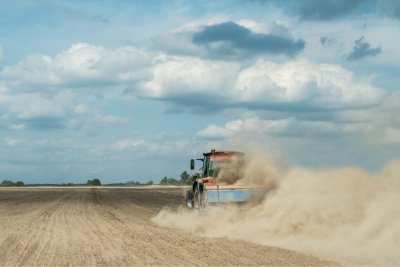
- Food prices will remain volatile and continue to rise without action. Climate impacts alone could drive food inflation up by 10% by 2035 and 34% by 2050. This would mean the average UK household spending up to £1,247 more per year on food by mid-century (The Autonomy Institute, 2025).
- The UK will become dangerously dependent on food imports and more exposed to shocks. Current projections are that UK food production could fall by 7-32% by 2050 (APPG on Science and Technology in Agriculture, 2025).
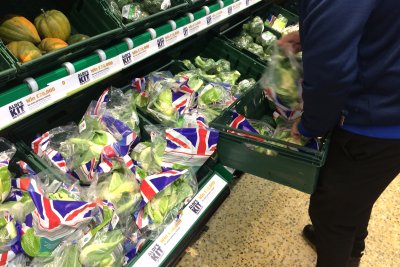
- Our fruit and vegetable supply will remain particularly high risk. Analysis of ten commodities representing 55% of the UK diet found that imported fruit and vegetables - particularly tomatoes and citrus - are most vulnerable to climate change (IGD, 2025).
- British farmers and growers will continue to lose livelihoods. Without proper transition support and a statutory framework that protects domestic production of nutrient rich food, more farmers and growers will be forced out of business. The knowledge, skills, and stewardship built up over generations will be lost, and with it, the capacity to feed ourselves in times of crisis.
- Children’s health will continue to deteriorate. In the next 10 years childhood overweight and obesity could climb another 5 percentage points – affecting >40% of year 6 students by 2035 (RSPH, 2025).
- Food Policy will remain fragmented and vulnerable. Without a statutory framework, policy will be vulnerable to political change, short term thinking, and the lobbying power of vested interests.
How can Parliamentarians help?
- Support a Food White Paper – as the essential first step towards comprehensive food legislation
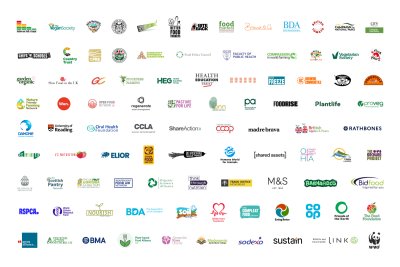
- Sign a statement on the need for a Good Food Bill – and join the 100+ businesses, investors, civil society organisations and academics calling for the Bill
- Raise Parliamentary Questions – about the Government’s timeline for food system legislation

Good Food Bill: New legislation is necessary to transform our food system, giving successive governments clear goals to ensure the country is well-nourished in an increasingly uncertain world, while providing food businesses, investors, farmers, and growers with the confidence they need to operate in the most sustainable and beneficial way possible.


Sustain
The Green House
244-254 Cambridge Heath Road
London E2 9DA
020 3559 6777
sustain@sustainweb.org
Sustain advocates food and agriculture policies and practices that enhance the health and welfare of people and animals, improve the working and living environment, promote equity and enrich society and culture.
© Sustain 2026
Registered charity (no. 1018643)
Data privacy & cookies
Icons by Icons8
