

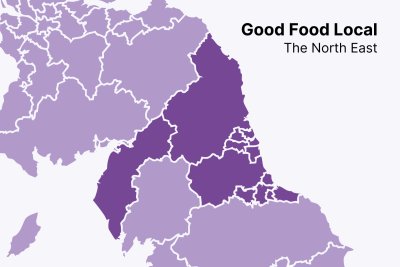
 Good Food Local - North East report. Credit: Sustain
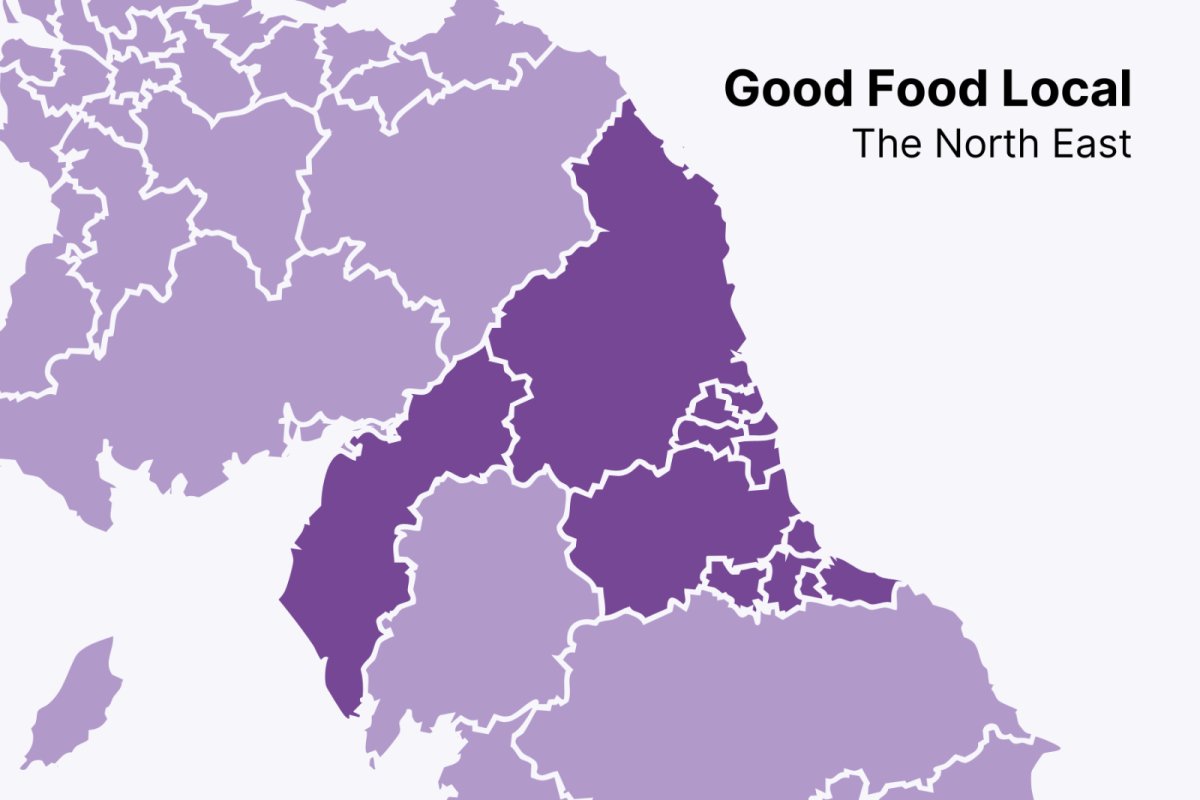

New report praises North East for action on health and food poverty
Local authorities in the North East and Cumbria have stepped up their efforts to address food poverty in their local areas, according to Sustain’s latest Good Food Local report.
Getting more children and families to eat healthy nutritious food and building long-lasting, trusting ties with the community are a key priority for local authorities in the North East, as they work against a harsh backdrop of lower life expectancy and pronounced health inequalities compared to the national average.
Those are some of the key findings from the 2026 Good Food Local report, which tracks council action on food. With many households struggling to buy or eat healthy nutritious food, and a quarter of children living in absolute low-income families, the report finds more local authorities are investing in the Healthy Start programme, a voucher scheme which gives low-income families with young children free fruit, vegetables and milk, helping to support healthy growth and development.
With the lowest breastfeeding rates in the country, five local authorities have achieved the prestigious Unicef Baby Friendly Gold Award which celebrates support for infant feeding and parent-infant bonding. South Tees is recognised in the report for creating a tongue tie clinic, loaning breast pumps across a range of services available to new mothers, and developing training on infant feeding with local GP’s.
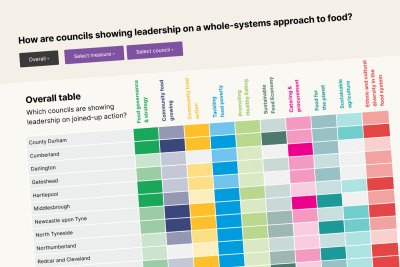
The report also shows how councils are bringing more voices into decisions on local priorities and designing solutions together. They are forming new food partnerships, working with local organisations and groups, and now have 12 food partnerships across the region, eight of which are part of the Sustainable Food Places (SFP) network and seven of these have received Sustainable Food Places awards. To take this to the next level, these food partnerships work together as the North East Sustainable Food Alliance on collective ambitions.
Lucy Chapman, Practice Improvement Programme Manager, ADPH North East says:
"We’re incredibly proud of the progress that our local authorities have begun to make laying the foundations for real change across our food system. By working together we’ve been able to both; share best practice and learn from each other’s achievements and; have a greater impact through collaboration than would have been possible individually, supporting each other to continue making the case for taking action on food to improve the health of our people and communities."
Good Food Local celebrates local authorities that go the extra mile to build healthier, more sustainable communities. One regional focus has been on the Food Active Healthy Weight Declaration to reduce unhealthy weight in local communities. Levels of obesity are high in the region, affecting 70% of adults and 27% of children (of reception age). Six councils are now signed up to the Declaration, with four more to follow suit.
The report showcases Cumberland Council’s ‘License to Grow’, as the only local authority in the region taking the Right to Grow approach, paving the way to improve access to public land for growing food, helping residents access food, build community cohesion and support biodiversity.
Sunderland City Council and Newcastle City Council are also recognised for being the only councils to have ‘Living Wage Places’ in their boroughs to drive uptake of wages amongst local employers that meet true living costs, aiming to overcome financial barriers to food.
Hannah Crump, Local Policy Co-ordinator at Sustain says:
"It’s been fantastic to partner with the North East and get to know ways in which councils are working on food policies and programmes to benefit their communities, individually and together as a region. Collaboration and peer learning have been huge strengths within the region, and we’re excited to see where councils take this work next."
Recommendations
It’s also important to recognise where the North East could do more and where councils could focus next.
Access to healthier and more sustainable school food
Improving school food remains a priority for the region. Local authorities in Cumberland, South Tyneside, and Sunderland are investing beyond the statutory level for Universal Free School Meals, with the opportunity for others to do the same. In Gateshead, a co-designed programme for young people during school holiday time offers free meals in line with School Food Standards alongside trips to bowling, cinema, sport and volunteering activities, providing additional support for children from lower-income families during school holidays.
Strengthening food poverty alliances
Continuing to support and strengthen the vital work done by food poverty alliances to bring together charities, faith groups, health and education providers and other local organisations is essential to achieving lasting improvements in health and reducing inequalities.
Creating healthier high streets
Creating healthier high streets is also an area where the North East could have huge impact on the health of its communities. Implementing a robust Healthier Food Advertising Policy can switch the spotlight from unhealthier food and drinks and set the stage for healthier food options. This can be particularly important in low-income neighbourhoods, where healthier food choices may be unaffordable or simply unavailable, or unhealthier food may be marketed more heavily.
A thriving local economy and healthier more sustainable food on plates
Councils can also support local food businesses including shops, caterers and markets to create jobs and strengthen farmer focused supply chains, and through catering and procurement decisions, they can also influence food served to thousands of people every year through public institutions. Whilst some councils report progress in these areas, not all have maintained their work. The report recognises the two council’s that have Good Food Charters to publicly share ambitions for the food they want to see in their local areas, and the five that have targets or standards for procurement that reflect a diet that’s better for people and planet.
Good Food Local: the North East report
Tracking council action on food
What is Good Food Local?
Good Food Local gives councils a clear, evidence-based framework to assess their progress on food- across health, climate, economic development, planning and more. It turns a complex, fragmented picture into a coherent view with practical recommendations to guide next steps.
Completing the Good Food Local assessment involves engagement from across multiple council departments. It is a structured way to open doors, build relationships, and create shared ownership of food priorities that Public Health cannot drive alone. Good Food Local also helps connect councils with others in the same region, and beyond, facing the same challenges. Councils have told us they value case studies and shared good practice from other boroughs with similar priorities, not just as inspiration, but as practical evidence of what has worked elsewhere and what steps were involved.
Good Food Local also helps to ‘make the case’ locally and encourages senior buy in, providing clear demonstration of progress, celebrating areas of good work, while highlighting gaps for improvement, including understanding where you are compared to other nearby councils.
Good Food Local is working with London, the North East and South West of England as well as other local authorities to drive forwards good policy and practice on food. Take a look at our national map to see what actions other parts of the country are taking on food.
Find out more about the Good Food Local support we can offer to regions, and our consultancy offer to individual local authorities.

Good Food Local: Supporting local authorities to create more healthy and sustainable food systems in their local areas.





Sustain
The Green House
244-254 Cambridge Heath Road
London E2 9DA
020 3559 6777
sustain@sustainweb.org
Our mission is to catalyse systemic change in the UK’s food and farming system – securing a healthy, fair, and sustainable future for all people, nature and a stable climate.
© Sustain 2026
Registered charity (no. 1018643)
Data privacy & cookies
Icons by Icons8
