

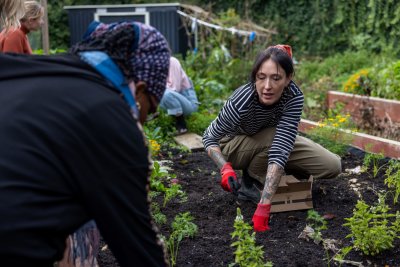
 Steph in the garden. Copyright: Alexandra Rose Charity
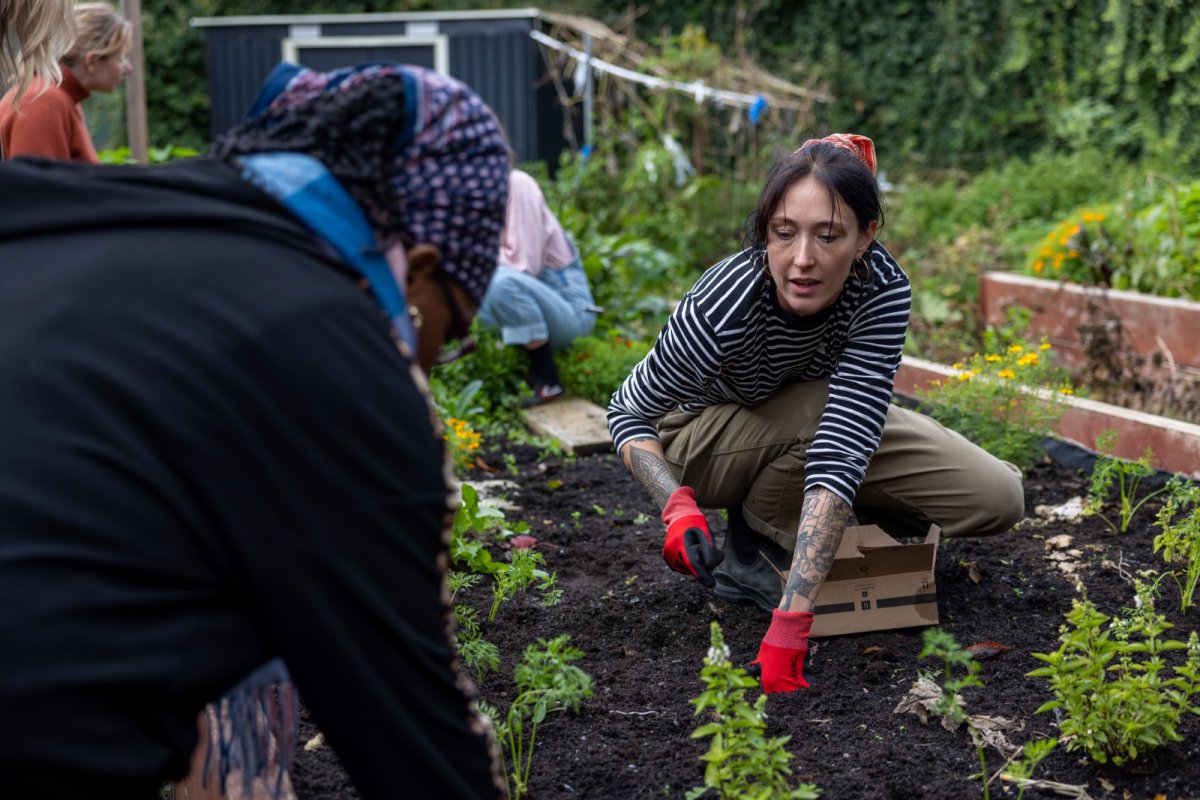

Communities can help build a more resilient food system, but can they do it alone?
On returning from the Oxford Real Farming conference, Steph Golder who coordinates the Teviot Centre Food Coop in Tower Hamlets, reflects on the role of communities in widening access to climate and nature-friendly food in this guest blog.
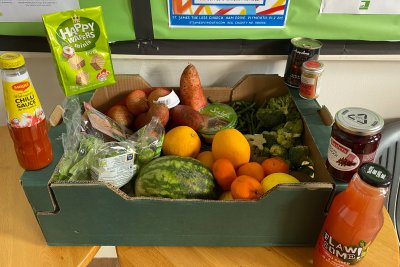
The Teviot Centre Food Coop, which runs alongside the wider Alexandra Rose Voucher programme in Tower Hamlets, helps make climate and nature-friendly fruit and veg affordable and accessible to residents on low incomes. It is one of nine pilots on the Bridging the Gap programme led by Sustain.
Alongside community partners, we work closely with local producers and suppliers to strengthen access to sustainable food in the borough and to raise awareness of the benefits of organic produce. The work has taught me that knowing where their food comes from really matters to people.
A highlight of the Oxford Real Farming Conference was attending a panel discussion on balancing the supply and demand for organic produce. Developing the UK organic market requires us to reframe organic food in ways that centre the consumer as the hero, articulating the tangible benefits to them and the difference that organically grown produce can make to the environment. Panellists argued that organic farming should be positioned as a public health response, strengthening the case for government commitment not only to organic production, but to the supply-chain infrastructure needed to support small and local producers. At the same time, the panel reflected on how to evidence this to policymakers, and whether hyper-local models can demonstrate impact at a scale that is both credible and replicable.
Speakers also noted the importance of public interactions with passionate food employees, which supports our findings from the Teviot Centre Food Coop. Something we have learned from shoppers is that the quality of social interactions often matters as much as the quality of the food, and we all have an opportunity to learn together about where the food comes from.
All of this is relevant to the policy asks that have come out of the Bridging the Gap pilot, which focus on boosting British production, investing in field to market infrastructure, strengthening supply chains and improving access to organic and local produce for everyone.
In Tower Hamlets, we are lucky enough to be in the same borough as the Better Food Shed, who source and supply organic produce from farmers across the country. Logistically, it would otherwise be difficult to source this food, and other retailers taking part in the Bridging the Gap pilot have expressed difficulties in accessing organic, British produce. Investing in similar infrastructure in other areas could support small and medium farmers to link directly to local communities. The cost of organic food is still massively prohibitive to most people, and at the Teviot Centre Food Coop, we subsidise the cost of the organic produce, so it is around the same price as non-organic. There are decisions to be made to ensure people on low incomes can afford nature-friendly food, whilst also paying farmers fairly for their work. This tension sits at the heart of conversations about sustainable food.
After the conference, I reflected on everything I had heard. I think there is sometimes an overly romanticised notion of community food projects. We need to recognise the realities of people living on low incomes. Often, they are also experiencing time poverty, loneliness, social isolation and reduced autonomy in their food choices. Community food interventions alone cannot solve these societal problems. I think we also need to question how hyper-local food systems can move beyond a reliance on volunteer labour to become financially sustainable.
Overall, the discussions I engaged with reinforced the urgency of building resilient, ground-up food infrastructure that enables people to access healthy and sustainable food as part of their everyday lives.
Communities can build the foundations, but will the government step up to make it last?

Sustain: Sustain The alliance for better food and farming advocates food and agriculture policies and practices that enhance the health and welfare of people and animals, improve the working and living environment, enrich society and culture and promote equity.



Sustain
The Green House
244-254 Cambridge Heath Road
London E2 9DA
020 3559 6777
sustain@sustainweb.org
Sustain advocates food and agriculture policies and practices that enhance the health and welfare of people and animals, improve the working and living environment, promote equity and enrich society and culture.
© Sustain 2026
Registered charity (no. 1018643)
Data privacy & cookies
Icons by Icons8
